Builds Trust and Relationships: A Key Competency for Effective Leadership
Welcome to Monthly Best Praxis, Talent Praxis's newsletter dedicated to sharing actionable insights and proven strategies for leadership development. Each month, we dive into key topics and competencies that help leaders drive performance, align teams, and create lasting impact. In this issue, we explore how building trust and relationships is essential for effective leadership.
Building trust is one of the most underestimated leadership competencies—and one of the most transformative. Leaders who form authentic, reliable relationships create the foundation for psychological safety, collaboration, and honest communication. When people feel understood, supported, and able to rely on their leader, engagement rises, execution strengthens, and organizational culture becomes a true competitive advantage.
Achieving Success Through a Combination of Skills, Attributes, and Experience
Builds Trust and Relationships- Fosters strong, authentic connections through empathy and reliability.
Below are examples of skills, attributes, and experiences that support the potential for the competency. Infinite combinations of strengths in various skills, attributes, and experiences can generate success in this competency.
Examples of skills supporting:
Active Listening – Helps leaders accurately understand concerns and motivations so people feel heard and valued.
Emotional Intelligence – Enables leaders to read situations, respond with empathy, and build strong interpersonal connections.
Follow-Through – Demonstrates reliability by consistently completing commitments and reinforcing trust through action.
Examples of attributes supporting:
Empathetic – Tunes into others’ experiences and perspectives, creating connection and psychological safety.
Approachable – Invites openness by being warm, receptive, and easy to engage.
Consistent – Shows steady behavior that allows people to predict how the leader will respond and rely on their stability.
Examples of experience supporting:
Leading Diverse Teams – Requires adapting communication and support across different working styles, building trust through inclusivity and understanding.
Managing Through Change – Builds a leader’s ability to maintain stability, transparency, and empathy when uncertainty is high and trust is most needed.
Cross-Functional Collaboration – Strengthens credibility and relationships by working with varied stakeholders, navigating differing priorities, and building rapport over time.

A self-assessment worksheet for leaders to reflect on how effectively they build trust and relationships, using a scale from "Never" to "Always."
Practical Steps for Leaders to Develop This Competency
Close the loop every time.
Follow up on decisions, commitments, and open questions consistently. Reliability is one of the fastest ways to build trust.
Listen to understand, not to respond.
Use reflective listening—summarize what you heard, confirm accuracy, and only then offer guidance or solutions.
Be transparent about context.
Share the “why” behind decisions so people feel informed rather than blindsided or excluded.
Show up consistently across situations.
Maintain your tone and behavior, whether things are going well or poorly; stability builds psychological safety.
Repair quickly when trust is strained.
Acknowledge missteps, clarify intentions, and outline what you’ll do differently moving forward. Trust grows through repair, not perfection.
Prioritize relationship time.
Use 1:1s and informal check-ins to understand motivations, challenges, and strengths—not just project updates.
Common Challenges and How to Overcome Them
Relying on good intentions instead of observable behaviors
Leaders may assume others know they care, even when their actions aren’t clearly reinforcing trust.
Overcome it: Make trust visible—follow through consistently, communicate proactively, and name your intentions so others never have to guess.
Overemphasizing task over relationship
In fast-paced environments, leaders may default to efficiency and skip the relational groundwork that makes execution easier.
Overcome it: Build micro-moments of connection into existing workflows—use 1:1s, team meetings, and project kickoffs to check in and strengthen rapport.
Avoiding conflict to preserve harmony
Leaders may hold back difficult feedback out of fear it will harm relationships, when avoidance actually weakens trust.
Overcome it: Use structured, empathetic conversation tools (e.g., SBI, Crucial Conversations) to address issues directly while maintaining care.
Inconsistent communication during change
Uncertainty can cause leaders to communicate irregularly, which erodes reliability.
Overcome it: Set a predictable communication rhythm—weekly updates, progress notes, or brief check-ins—so people experience stability even when plans evolve.
Connecting to Other Leadership Competencies
Building trust and relationships is foundational to nearly every leadership competency. It strengthens Shares Information Effectively by enabling open, honest communication and supports Builds Consensus and Values Input because people contribute more freely when they trust their leader. It also reinforces Leads by Example, as trust enhances the credibility and impact of a leader’s actions, helping teams align more quickly and work more collaboratively across the organization.
Apply Your Learnings
Identify one relationship that would benefit from strengthened trust and take a concrete action this week—follow up, clarify expectations, or initiate a genuine check-in.
Choose one reliability habit to practice daily (e.g., closing loops, providing updates, confirming understanding) and track your consistency for 30 days.
Ask your team, “What is one thing I can do to better support you?” and incorporate what you learn into your leadership approach.
Observe a recurring interaction where trust feels strained and experiment with changing one behavior—listening more, slowing down, or increasing transparency.
When you notice defensiveness or hesitation in others, pause and explore what they may need from you to feel safe and supported.
Explore More
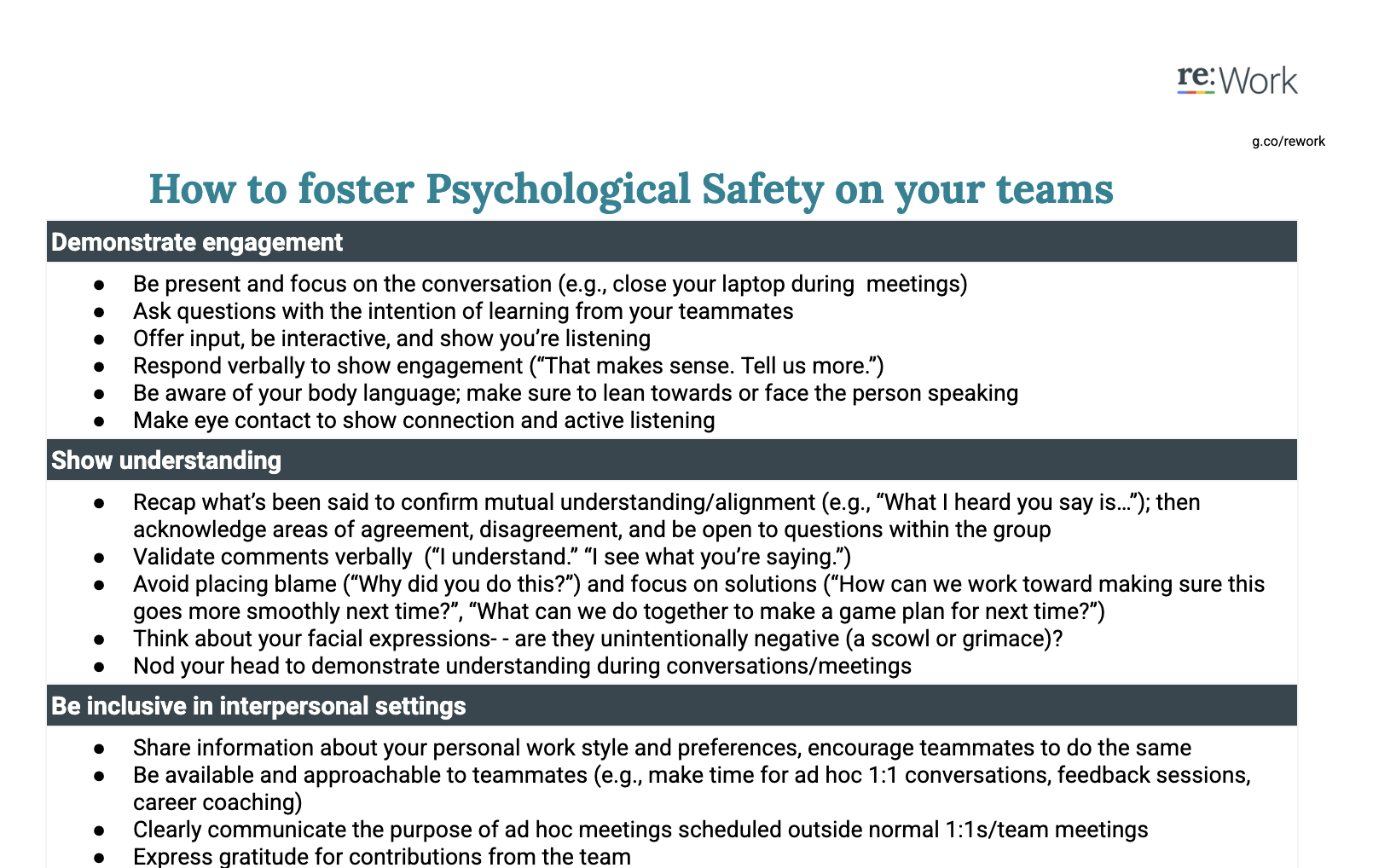
A foundational resource on creating environments where people feel safe to speak up, take risks, and collaborate openly.
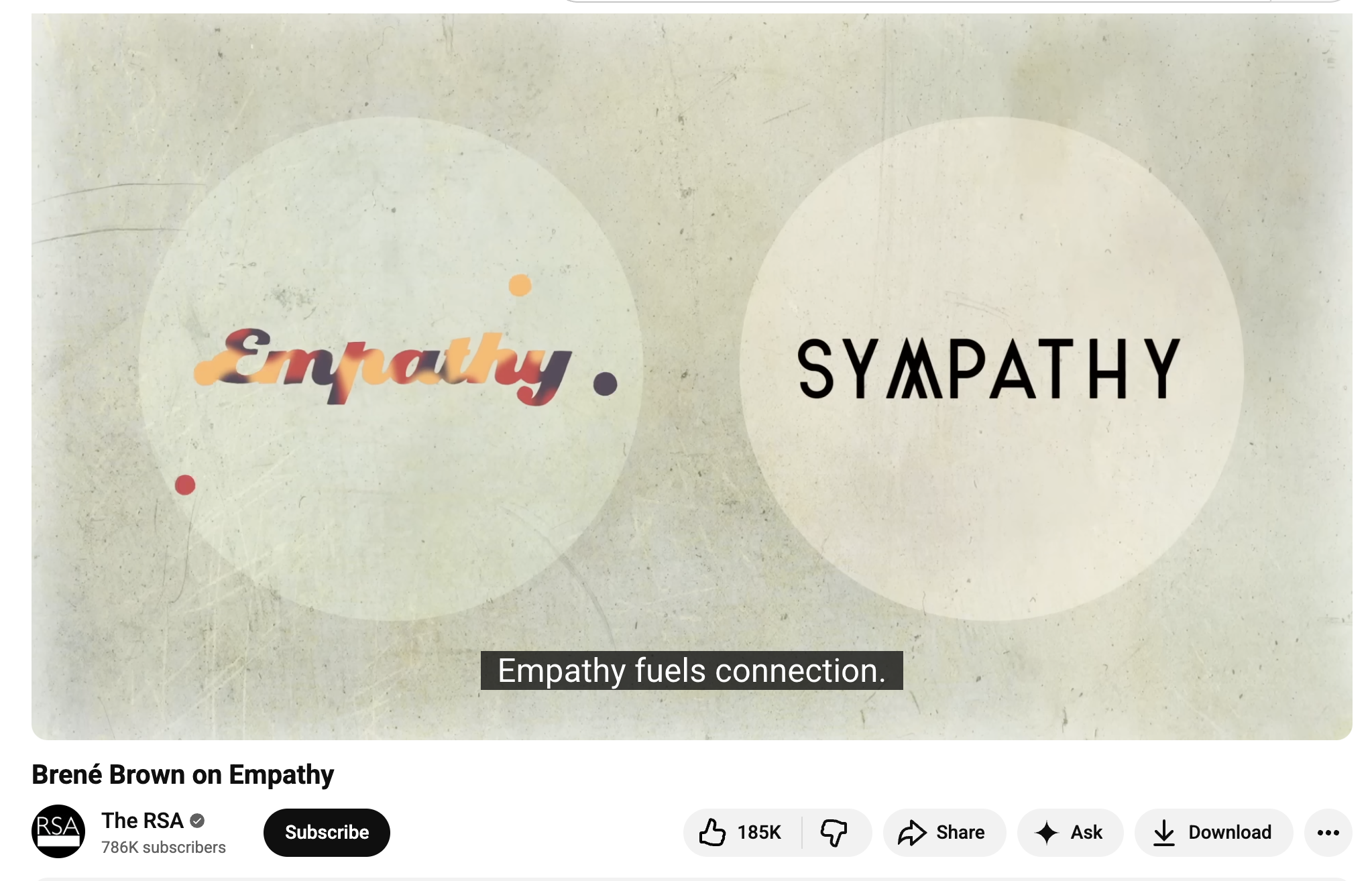
Clarifies the difference between understanding others and simply acknowledging them—critical for developing authentic, trust-based relationships.

A collection of tools and videos that build self-awareness, emotional intelligence, and presence—core foundations of trust. These resources offer practical ways to shift from reactivity to curiosity and strengthen authentic communication.
About Talent Praxis
Cultivating Leadership Impact
Our work at Talent Praxis focuses on helping senior leaders identify the strategic behaviors that drive success, so they can lead with greater confidence, clarity, and impact. We partner with organizations to design custom leadership development programs that integrate executive coaching, assessments, and training, delivering measurable results and elevating leadership effectiveness.
Why custom leadership development programs?
Leaders define the direction and culture of an organization. Leadership development programs result in:
Increased Productivity and Performance
Higher Employee Engagement and Retention
Improved Financial Performance
As your company and market evolve, so must your leadership. Our custom leadership development programs are designed to meet your organization’s unique needs, empowering leaders with the skills to drive engagement, foster success, and deliver measurable results.