Build Consensus and Values Input: A Key Competency for Effective Leadership
Welcome to Monthly Best Praxis, Talent Praxis's newsletter dedicated to sharing actionable insights and proven strategies for leadership development. Each month, we dive into key topics and competencies that help leaders drive performance, align teams, and create lasting impact. In this issue, we explore how building consensus and valuing input are essential for effective leadership.
Strong leaders don’t equate speed with solo decision-making. Builds Consensus and Values Input is the observable behavior of intentionally engaging others to shape decisions—balancing efficiency with inclusion to drive better outcomes and sustained commitment. When leaders practice this competency well, teams move forward with clarity, trust, and shared ownership.
Consensus doesn’t mean unanimous agreement—it means people understand the decision, see how input was considered, and are willing to support the outcome. Leaders who build consensus strengthen trust, increase decision quality, and reduce resistance during execution. Over time, this behavior reinforces psychological safety and a culture where people speak up before problems escalate.
Achieving Success Through a Combination of Skills, Attributes, and Experience
Builds Consensus and Values Input- Fosters collaboration to reach shared decisions, inspires support, and actively seeks input from all levels to inform strategy.
Below are examples of skills, attributes, and experiences that support the potential for the competency. Infinite combinations of strengths in various skills, attributes, and experiences can generate success in this competency.
Examples of skills supporting:
Facilitation – Guides discussions to surface diverse perspectives while keeping the group focused on outcomes.
Active Listening – Listens to understand, not to respond, ensuring ideas and concerns are fully considered.
Decision Framing – Clearly defines the decision, constraints, and criteria so input is relevant and actionable.
Examples of attributes supporting:
Inclusive – Intentionally invites perspectives from different roles, levels, and backgrounds.
Open-minded – Willing to adjust thinking when presented with new or conflicting information.
Respectful – Demonstrates genuine regard for others’ contributions, even when they differ.
Examples of experience supporting:
Cross-functional collaboration – Experience working across teams with competing priorities and perspectives.
Leading through ambiguity – Making decisions when information is incomplete, and multiple viewpoints must be weighed.
Facilitating group decisions – Hands-on experience guiding teams toward alignment without defaulting to authority.

A self-assessment worksheet for leaders to reflect on how effectively they build trust and relationships, using a scale from "Never" to "Always."
Practical Steps for Leaders to Develop This Competency
Define the decision before inviting input Clearly state what decision is being made, what’s already decided, and where input will genuinely influence the outcome. This sets expectations and prevents frustration or disengagement.
Be explicit about the type of input you want Ask for specific contributions—ideas, risks, trade-offs, or alternative approaches—so input is focused and actionable rather than broad or unfocused.
Intentionally broaden who is included Look beyond the most vocal or senior voices. Actively invite perspectives from different roles, tenures, and viewpoints to strengthen decision quality.
Demonstrate listening through synthesis Reflect back what you’re hearing, highlight themes, and name tensions or trade-offs. This shows respect for input and helps the group move toward alignment.
Close the loop after decisions are made Communicate the final decision and explain how input was considered—even when it wasn’t adopted. This reinforces trust and encourages future participation.
Practice facilitation, not persuasion Shift from advocating for your preferred solution to guiding the group toward shared understanding and commitment, especially in complex or cross-functional decisions.
Common Challenges and How to Overcome Them
Confusing consensus with unanimity Leaders avoid collaboration, delay decisions, orreopen discussions repeatedly in pursuit of full agreement, slowing progress and frustrating the team.
Overcome it: Clearly define consensus as shared understanding and commitment—not total agreement—and name when it’s time to decide and move forward.
Asking for input too late Leaders solicit feedback after they’ve already made up their minds, leading to disengagement or skepticism about whether input truly matters.
Overcome it: Invite input early in the decision-making process and be explicit about what is still open for influence.
Relying on the loudest or most senior voices Input skews toward those most comfortable speaking up, limiting perspective and weakening decision quality.
Overcome it: Proactively invite perspectives from quieter team members and diverse roles, and use structured methods (round-robins, written input) to balance participation.
Over-collaborating on low-impact decisions Leaders involve too many people in decisions that don’t warrant broad input, creating decision fatigue and inefficiency.
Overcome it: Match the level of collaboration to the impact of the decision, reserving broad input for high-risk, high-impact, or cross-functional choices.
Failing to close the loop after decisions Teams are left unsure how their input was used, reducing trust and willingness to engage next time.
Overcome it: Communicate the final decision and explicitly explain how input shaped the outcome—even when it didn’t change the direction.
Connecting to Other Leadership Competencies
Building consensus closely reinforces Builds Trust and Relationships by signaling respect and inclusion in decision-making. It also relies on Shares Information Effectively, ensuring context and constraints are clear before input is gathered. When done well, it strengthens Thinks and Works Strategically by integrating diverse insights into more robust decisions.
Apply Your Learnings
Before key decisions, clarify what input is needed, adds additional value, or may add a new perspective—and from whom.
State upfront what’s open for discussion versus what's already decided.
Actively summarize and reflect on what you hear to confirm understanding.
Close the loop by explaining how the input influenced the final decision.
Explore More
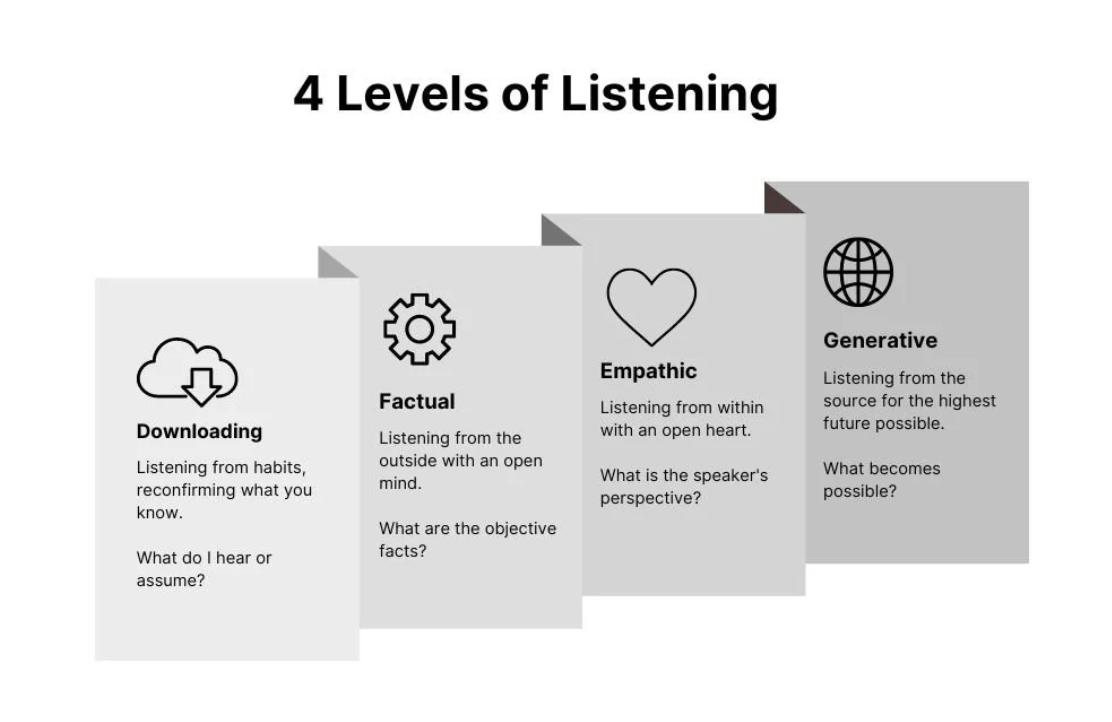
Practice active listening, levels of listening, and strategic questions to build greater awareness, trust, and alignment.
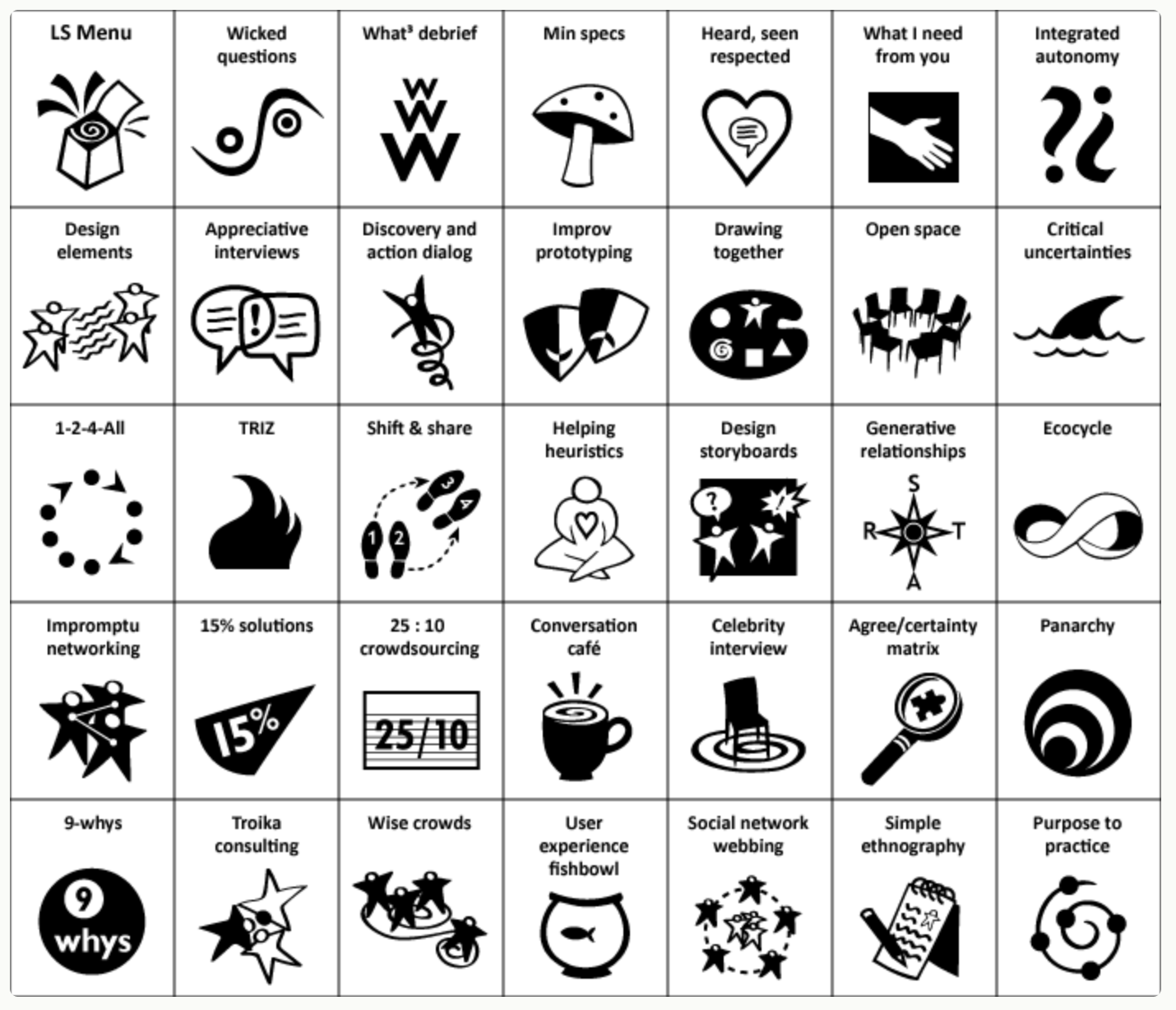
A practical collection of simple facilitation methods that help leaders structure conversations, balance participation, and surface diverse perspectives—without overengineering meetings. Especially useful for engaging quieter voices and guiding groups toward shared understanding.
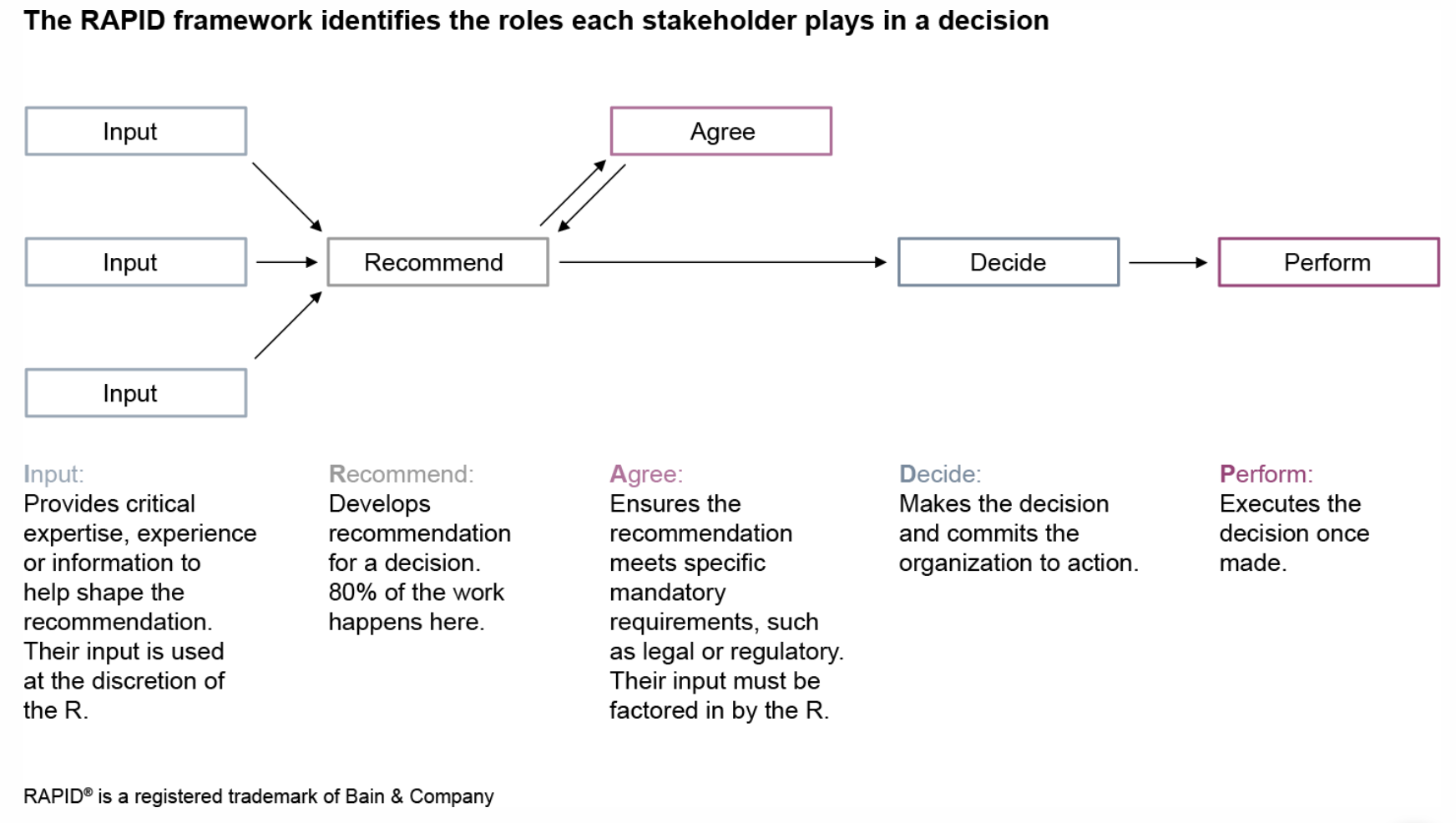
A clear framework for defining who provides input, who decides, and who executes—helping leaders involve the right people at the right time while maintaining accountability and momentum.
About Talent Praxis
Cultivating Leadership Impact
Our work at Talent Praxis focuses on helping senior leaders identify the strategic behaviors that drive success, so they can lead with greater confidence, clarity, and impact. We partner with organizations to design custom leadership development programs that integrate executive coaching, assessments, and training, delivering measurable results and elevating leadership effectiveness.
Why custom leadership development programs?
Leaders define the direction and culture of an organization. Leadership development programs result in:
Increased Productivity and Performance
Higher Employee Engagement and Retention
Improved Financial Performance
As your company and market evolve, so must your leadership. Our custom leadership development programs are designed to meet your organization’s unique needs, empowering leaders with the skills to drive engagement, foster success, and deliver measurable results.