Leadership Lessons from the Garden
Welcome to a special edition of Monthly Best Praxis.
Each month, we explore actionable insights and research-backed strategies that strengthen leadership effectiveness.
I am Chelsea Seid, Founder and CEO of Talent Praxis and an avid Gardener. Over the past year, many of you have reached out to say how much you’ve loved my Friday Is for Flowers posts—the leadership lessons rooted in gardening, creativity, and seasonality. These reflections have sparked some fun insights about leadership, growth, and change.
So for this special edition, I’m gathering all of my gardening learnings from 2025 here—how creativity fuels clarity, how seasons shape our leadership rhythms, and how tending a garden has transformed how I think about developing leaders, teams, and systems.
Leadership lessons from the garden.
Spring

Gardening is my creative practice.
I am very organized, operational, strategic, a true systems thinker. To get out of my head, I garden. I touch the soil and work with the anarchy and constant change that is nature.
I cannot control my garden, and gardening is my time to be out of control. Gardening is my time to be creative. Gardening allows me to bring creativity to my business, my leadership, and the rest of my life.
“It taught me to let go… but also let go of my agenda and actually be with what is and look for the beauty in that.” Erin Benzakein, Floret, The Creative Practice
“It’s a connection to beauty.” What is your connection to beauty? What is your creative practice?
Traditional meditation vs. a mindfulness practice.
Confession time, I've never successfully meditated on a regular basis. I love the breathing exercises and can practice those. I believe in the benefits and want meditation to be part of my daily routine, but it hasn't been for me.
Instead, I've developed active mindfulness practices. These are any activities that develop my state of awareness and present moment engagement.
My favorite active mindfulness practice, gardening!
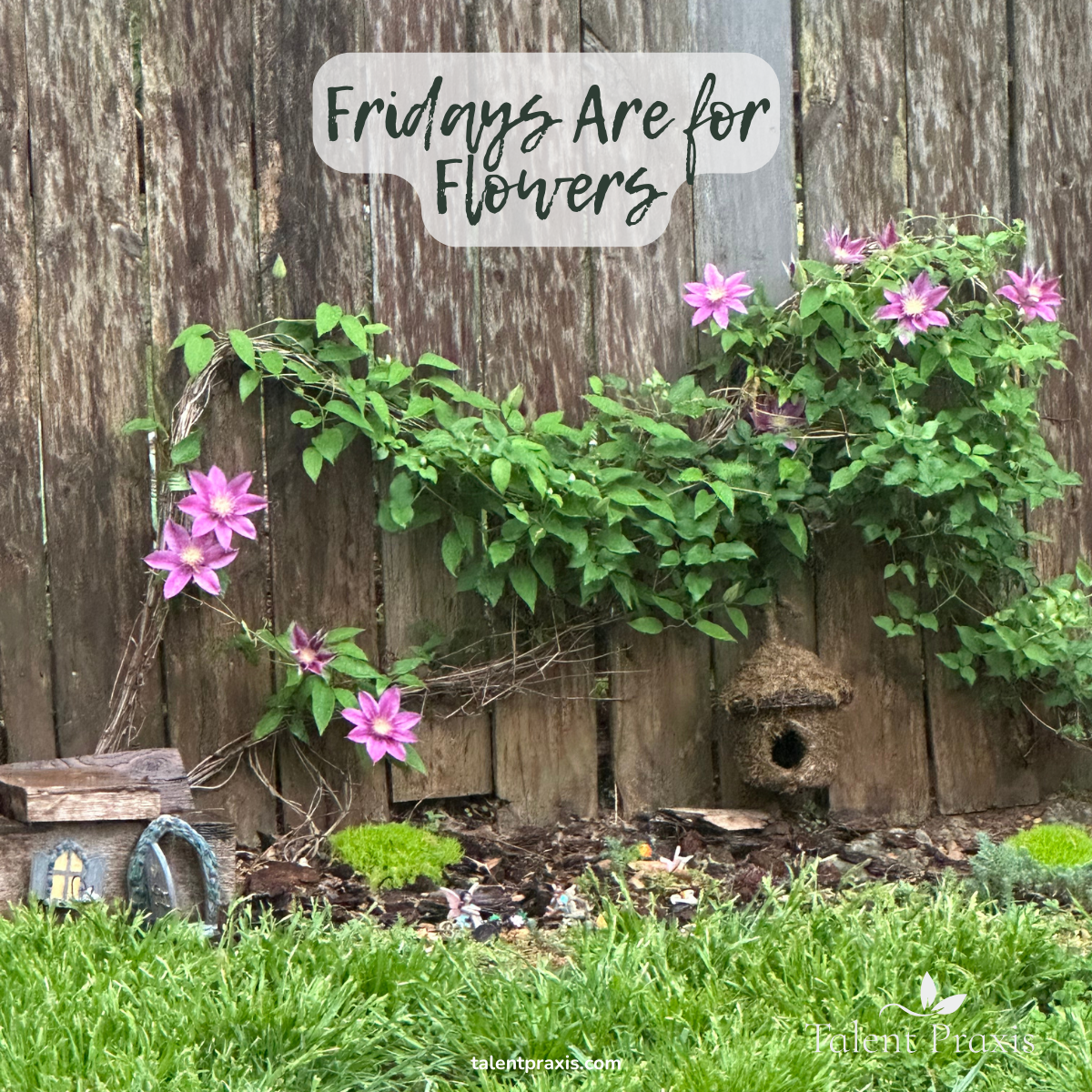
Now of course, I could sit in my fairy garden and meditate, but it's not for me. Instead, I sit and I weed and restring my clematis vine, I boop the big clematis flowers, I inspect the sedum and notice holes I want to fill from other parts of the garden, and I touch the grass.
In the garden, it's so easy to breathe in all of the noises, sounds, smells, and feels. To be in touch with all of my senses, while deeply focused on an activity with my hands, where I can see the results of my hard work.
This active mindfulness practice can translate to everything else I do. It teaches me to develop a state of awareness and be present in the moment when I'm working, leading, and coaching.
Mindfulness allows me to:
increase my awareness of my internal and external context
self-regulate and self-motivate
think creatively, strategically, and innovatively
engage in deep focus moments of flow
How do you practice mindfulness?
A Peony for Your Patience
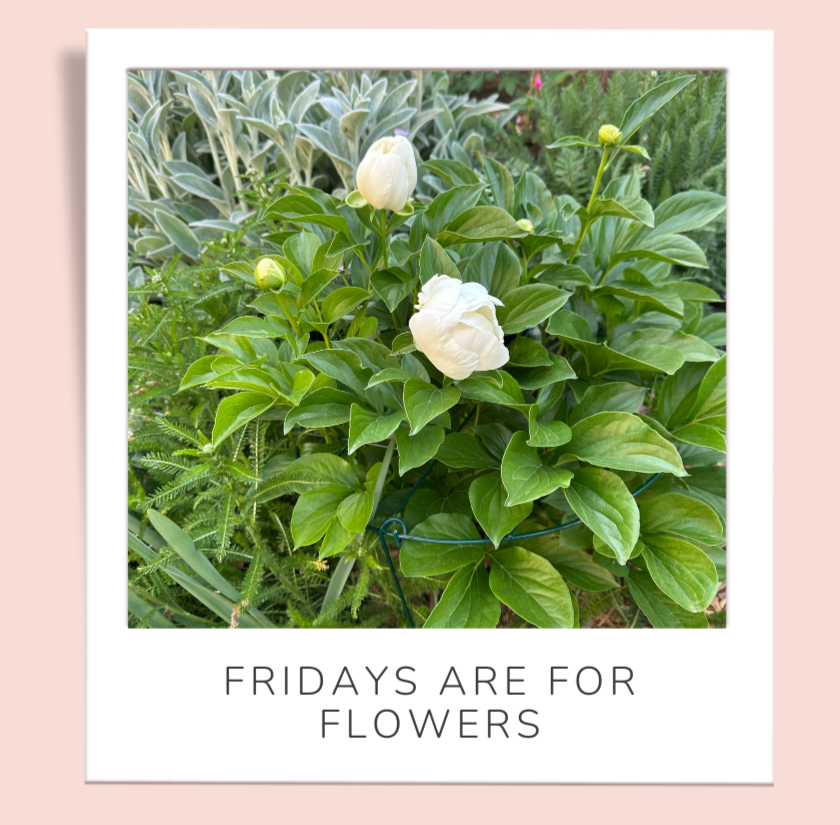
I waited four years to see this bloom.
In a world wired for instant gratification, I’ve never been naturally patient— but nothing tested it quite like raising kids (a story for another time) and starting a garden.
Patience doesn’t come easily— especially when you live and work in fast-paced environments. You forget how to slow down. You forget that some things aren’t supposed to be fast.
But when I practice patience, I give myself time to think, to listen, to create, to be aware, to appreciate. I give others the space to do the same.
I practice patience with peonies. How do you practice yours?

Change is constant—spring flowers are not.
People often stop by my garden and say, “It’s so beautiful! Will it look like this all summer?”
I usually smile and say, “Oh no, these will fade soon. Then it’ll be time to plant something new.”
They often look a little disappointed. But when I see the garden changing, I don’t feel loss—I see potential.
Right now, my ranunculus are on their way out. Orlaya is in full bloom (which means it’s about to fade). The poppies are just beginning. Nigella is still growing.
It reminds me of leadership. What’s thriving now may not be what sustains you next season. Some things have a short but meaningful window. Some are slow to grow, but worth the wait.
And your job isn’t to keep everything blooming all the time—it’s to know when to plant, prune, and reimagine.
That’s how we lead. That’s how we grow.
Don’t forget to prune the roses.
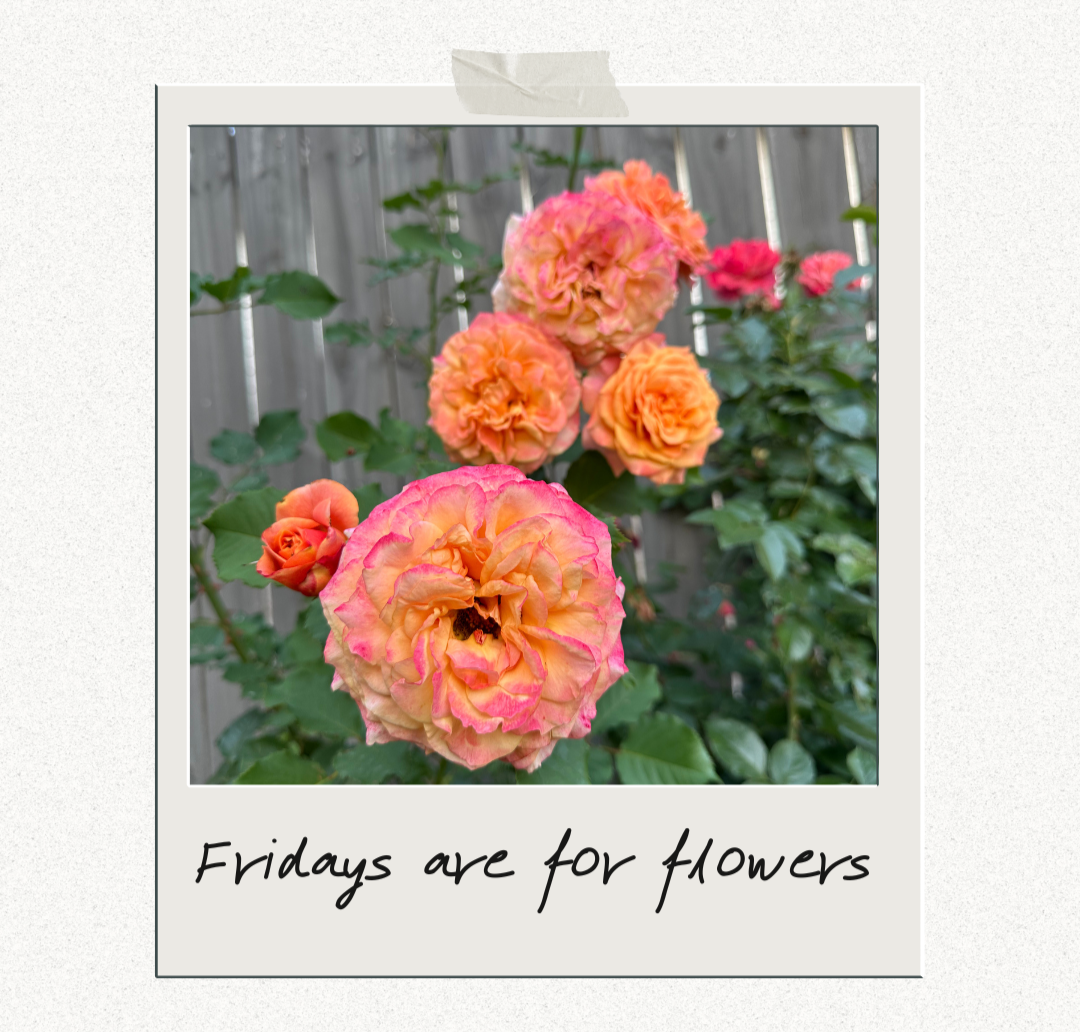
In my garden, the roses don’t just bloom on their own. They need deadheading, cutting back, and pruning—again and again—to keep producing.
It sounds simple, but it’s messy work. I usually end up scratched and bleeding. But then I get a moment like this—full bloom, vibrant color—and I remember why the work is worth it.
In gardening, we expect that kind of ongoing effort. But in leadership? We often forget.
Too many leaders strive to be the perfect rose—always polished, always in bloom. But real leadership, like real gardening, is less about arriving and more about tending. It’s a continuous practice of nurturing, pruning, learning, and trying again.
The best leaders aren’t flawless—they’re committed to the work. Success isn’t about perfect outcomes. It’s about practicing leadership with care and intention.
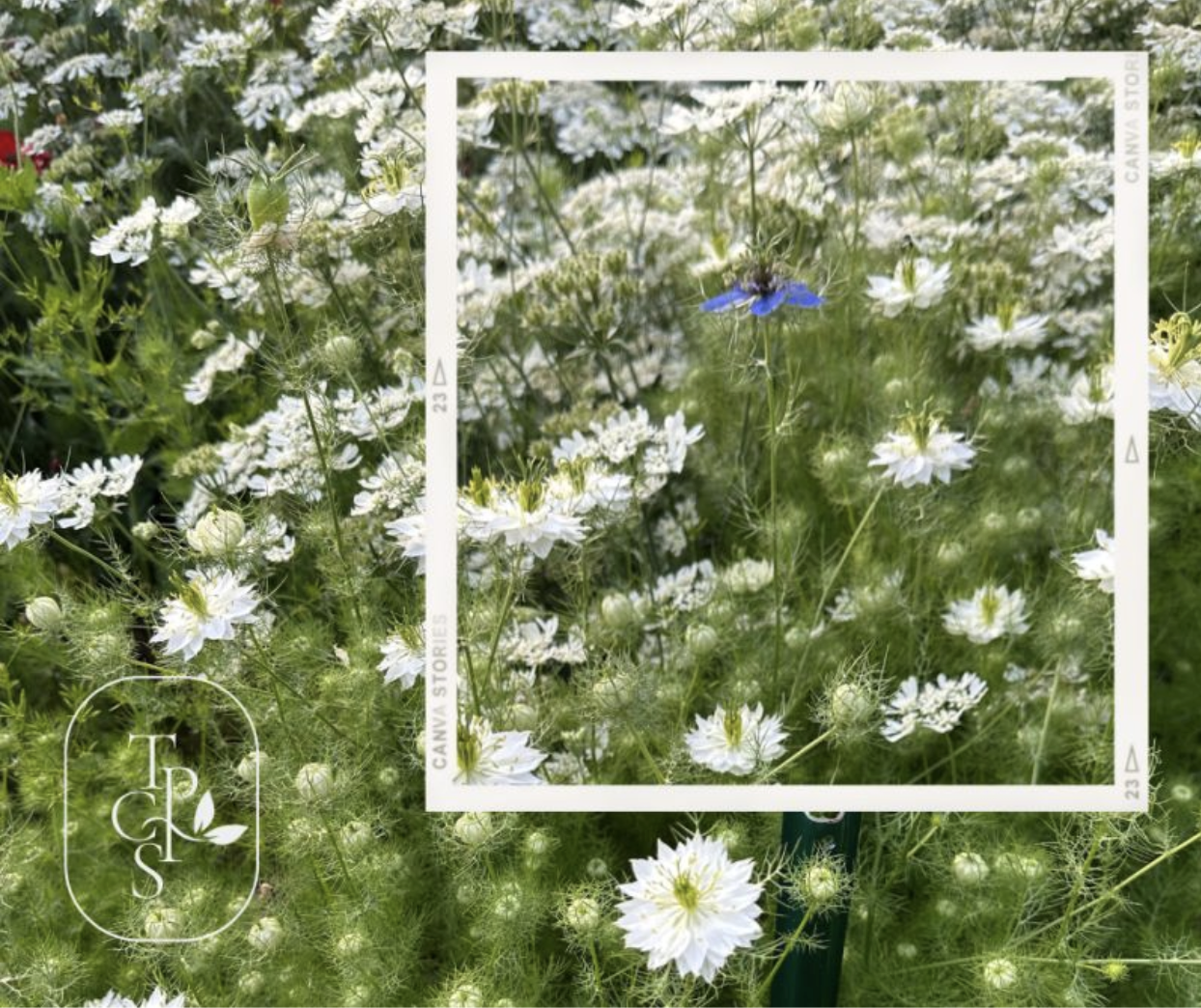
Uniqueness & Perspective
A blue nigella reminded me how hard it can be to name what’s unique about ourselves. Sometimes our strengths are visible to everyone but us. Noticing them—really noticing—is its own kind of leadership practice.
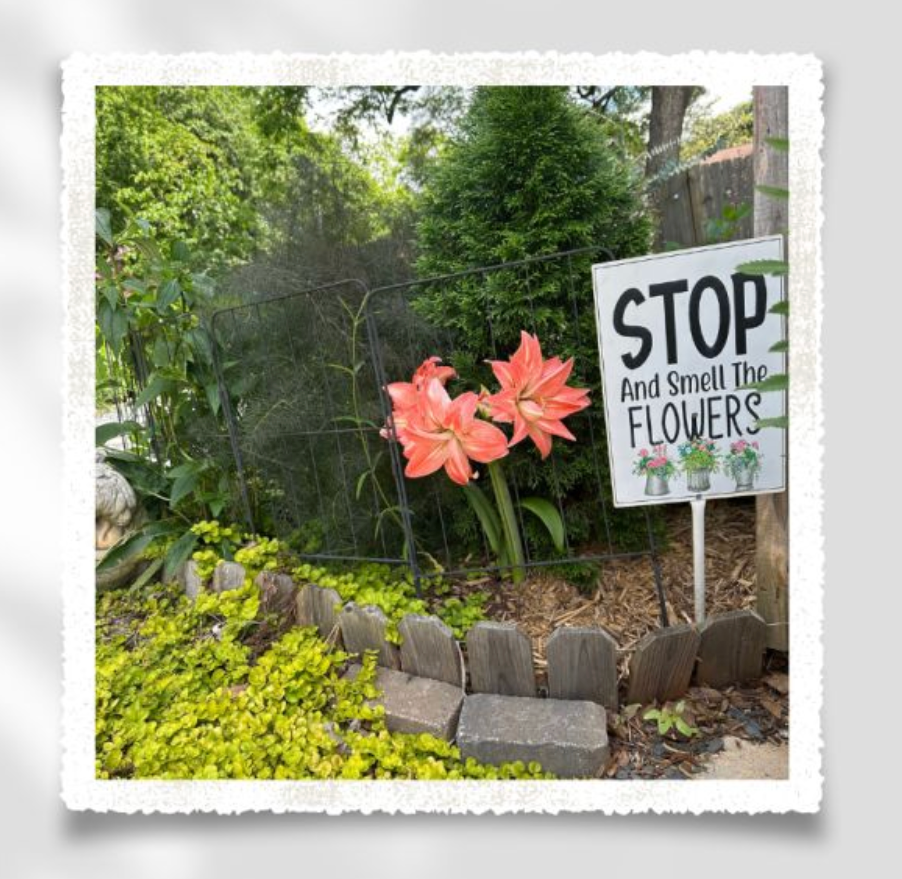
Stop and Smell the Flowers
My husband teased me for asking him to “literally stop and smell the flowers.” But pausing—really pausing—matters. It’s not just about celebrating small wins; it’s about reflecting, noticing progress, and reconnecting with your purpose.
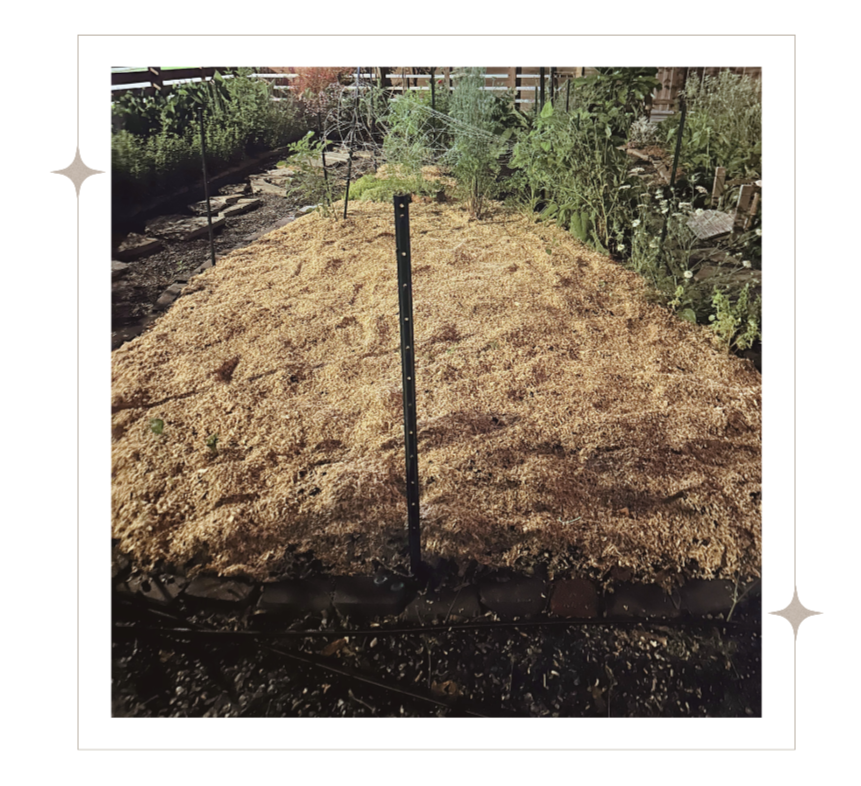
Savor the Bloom
Last week, this cut-flower bed was bursting with poppies, orlaya, nigella, larkspur, corncockle, and cress. It was peak beauty—for about 10 days.
Then came a heavy rain. The stems flopped. Petals fell. Seed heads took over.
Time to harvest seeds. Cut it all back. Weed. Compost. Make room for what’s next. Spring is over. Summer blooms are on the way. Gardening is a roller coaster—just like building something.
People often admire the blooms, but most of the time the bed looks like this: a patch of work in progress. What they remember is the beauty. What I live in is the work: prepping, planting, cutting back, making space.
And yet—I savor the blooms when they come. Because it doesn’t last long.
You’re wired for the work. You thrive in the build. Just don’t forget to pause and savor the bloom. Because while you see the weeds, the mulch, and the mess— Everyone else sees a field of flowers.
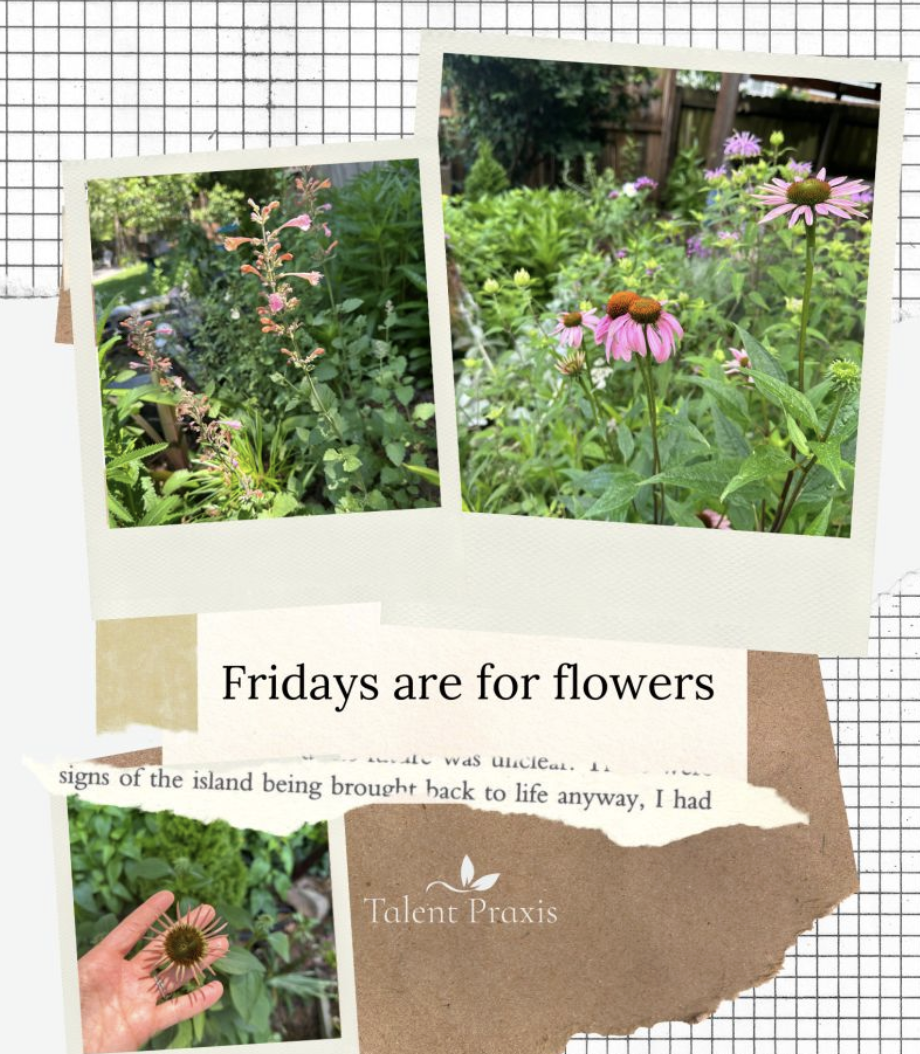
On Change Fatigue—and the Garden
In an interview about mitigating change fatigue, I started thinking about my garden.
We often talk about four seasons—but anyone who gardens knows there are more. Microclimates create transitional seasons too—the “in-betweens” where one thing fades and another hasn’t yet taken off. Right now, the spring blooms have died back, but the summer flowers aren’t thriving yet. It’s a waiting period. A changing period.
The garden is always evolving. And while change can be tiring, fatigue is eased by three things:
Clear expectations of change and consistent variables that ground you
A mindset of flexibility—rolling with the changes and sometimes even enjoying the surprises
Systems that support change, from soil prep to staking to seasonal pruning
Leadership is a lot like that. It’s not the change itself that burns people out—it’s the lack of clarity, control, and support around it. To reduce change fatigue in your organization:
Start with honest conversations about what change is expected, what might surprise you, and what isn’t changing. Equip leaders and teams with tools and training to practice a change mindset—curiosity, adaptability, and clarity.
Audit your systems. Are your processes flexible and clear enough to support ongoing change? Warning signs that they aren’t: low adoption, unclear impact, and recurring edge cases.
You don’t need a massive transformation to start. These can be micro-adjustments, owned at any level of leadership. And the next time you see signs of fatigue—disengagement, burnout, resistance—start with step one: a grounded, direct conversation.
How do you practice a change mindset in your team or organization?
Summer
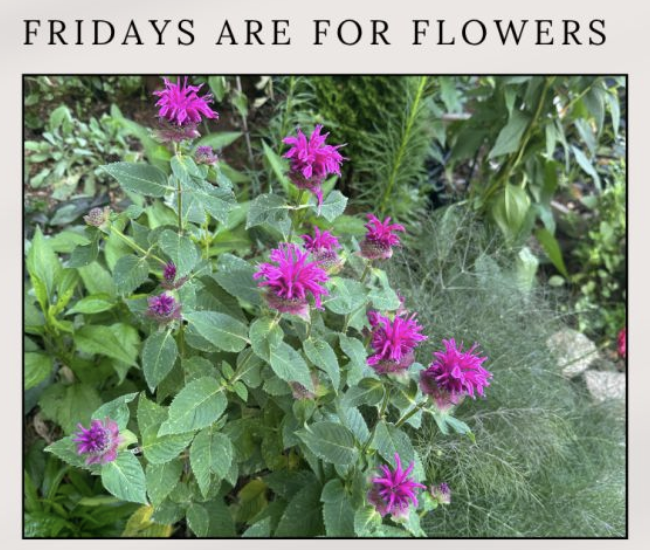
Observation Without Judgment
A yoga teacher of mine once said, “Why do we judge people, but when we look at a forest—where some trees are bent or broken—we just see trees?”
As a gardener, I get this. I see the blooms, yes—but I also notice the mildew, the holes, the hidden disease. And it struck me: others mostly just see the flowers.
I’ve been practicing observation without judgment. Sometimes that means imagining how someone else might see the same thing. Sometimes it means noticing my judgment—and then choosing to look again.
This has shown up in my work lately, especially in how I see myself. I recently heard Simon Sinek say, “I don’t believe in strengths and weaknesses—only characteristics and attributes. Context decides whether they’re strengths or not.”
I love this when I’m coaching others. I believe it completely. I help leaders explore their attributes and see how to use them in their current context.
But for myself? That lens is harder to apply.
So here’s my practice: Just like I remember to see the flowers in my garden, I’m committed to seeing the flowers within myself—even if it comes with knots, curves, or mildew.
How do you remember to appreciate the flowers?
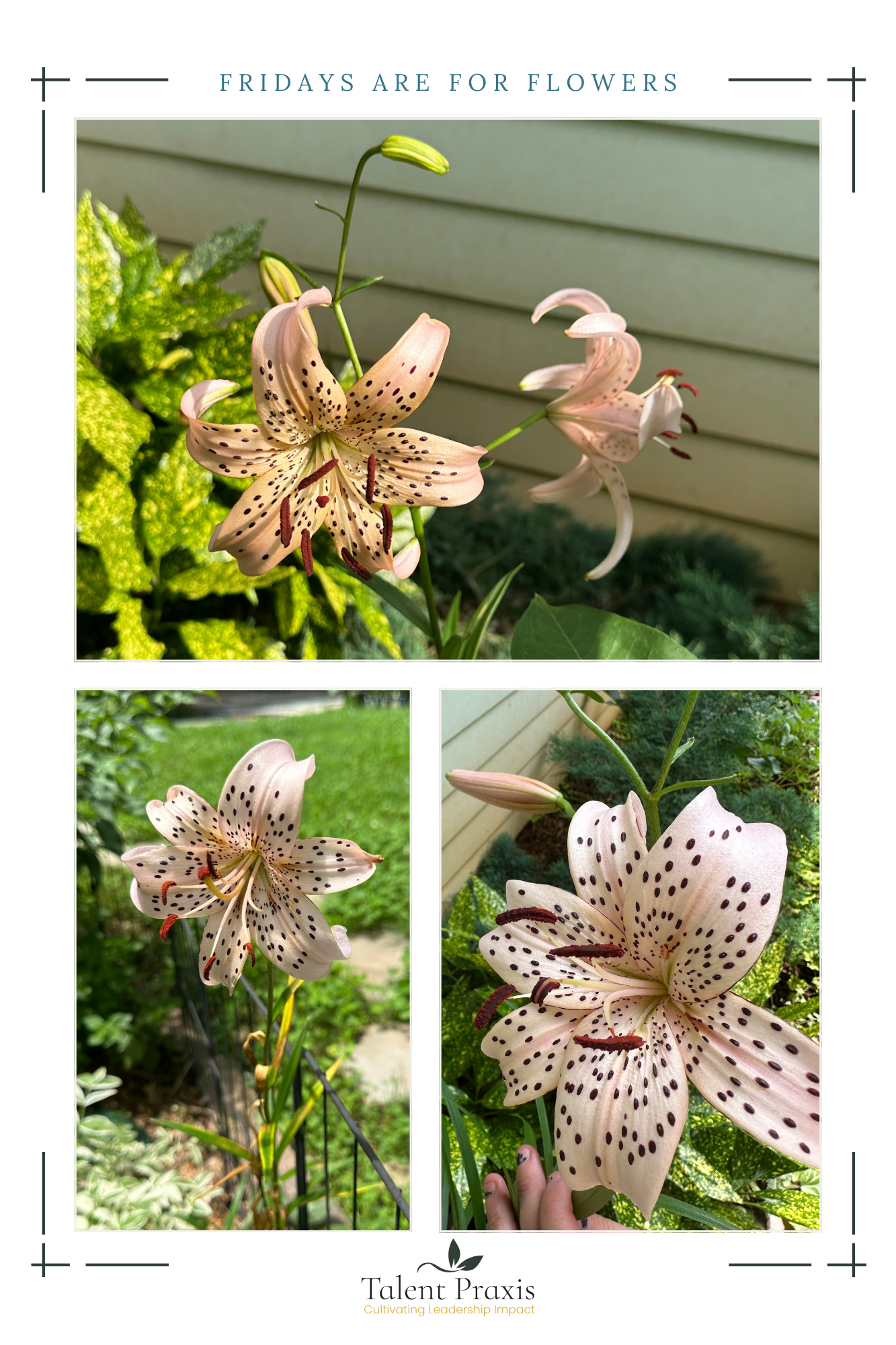
Attention as Leadership
The most stunning things don’t always last— but they invite us to pay attention.
Like this lily, a meaningful moment in leadership can come and go quickly:
a real conversation
a courageous decision
a surprising insight
It’s not about making it last forever. It’s about noticing when it arrives—and responding with presence.
I'm here for this short, beautiful lily season. It reminds me to be present with fleeting leadership moments.
What’s a moment in leadership you learned from?

Dalia Season
One thing I love about gardening is that there aren’t just four seasons. Some say there are six. I think every flower brings its own season—its own rhythm, energy, and lesson.
If I listen closely, the garden tells me what’s really going on. It’s rarely exactly what I planned or hoped for—there are just too many variables. Sometimes it’s more than I imagined. Sometimes it’s a beautiful, unexpected surprise. And sometimes, it’s a disappointment… and a lesson for next year.
It’s the same with leadership. When things don’t go the way you expected, how well do you listen to your team?
How flexible are you with your goals, systems, and processes?
I hear this a lot from leaders: “I told them exactly what to do and how to do it, and they still didn’t.”
When I ask if they’ve followed up with curiosity—really asked why—it turns out there are often plenty of assumptions, but rarely much listening.
Just like in the garden, there are so many variables at work. Pausing to listen—really listen—can reveal what’s shifting under the surface. It can show you what your team needs and how the work actually gets done.
The garden doesn’t always give me what I want. But when I stop and pay attention, it often gives me something even better.

Savor What’s Thriving
On the 4th of July, I set out to make a red, white, and blue bouquet. At first, I thought, “I don’t have those colors in the garden.” No red roses. No blue hydrangeas. No perfect white lilies. But I took a walk anyway. And there they were—right in front of me:
❤️ Red coleus
🤍 White shasta daisies
💙 Blue salvia and fennel
Not the expected choices, but they came together into something bold, surprising, and beautiful.
It reminded me that in leadership (and life), we often assume we’re missing something essential. But when we slow down and take a closer look, we usually have more than we think—we just need to see it differently.

The Ecosystem View
Sunflowers are some of my favorite things to grow.
Just two months ago, they were fragile seedlings. Now, they’re towering 10–12 feet tall—commanding attention and almost impossible to ignore.
Soon, they’ll be feeding the birds with their seeds, who will unknowingly plant next year’s blooms. I’ll cut the stalks to use as kindling and garden stakes. Every part of the plant serves a purpose—now and later.
The potential of these annuals always amazes me. They grow fast, stand tall, and give generously.
Potential can be one of the hardest things to sense, develop, and nurture as a leader—whether it’s in a person, an idea, a market opportunity, or a new process.
But I’ve found that when I’m grounded in a clear vision, aligned values, and meaningful goals, I can spot potential sooner—and test small investments to see what takes root.
How do you sense, develop, and nurture potential?

Deadhead Regularly
On my garden table, a bouquet blooms bright—while the discarded stems tell another story.
To keep my plants thriving, I deadhead regularly—cutting spent blooms and composting them so stronger flowers can flourish. At first, it felt wrong to throw away something once beautiful. But I’ve learned that if I want sturdy plants that bloom all season, I have to be willing to let go.
Work—and leadership—often feels the same. I’m always testing new acquisition strategies, market opportunities, and development approaches.
Some ideas are sustainable and worth nurturing. Others, even if they seem promising or beautiful at first glance, need to be pruned to make room for future growth.
Great leadership isn’t just about planting ideas. It’s about knowing when to cut back, when to compost what’s not working, and when to make space for something stronger to take root.
What’s one “bloom” you might need to prune this season to make room for what’s next?

The Height of Growth Comes With Its Own Ending
This year, my sunflowers were the stunners of my cutflower bed, reaching more than 14 feet tall — bigger than I imagined when I planted them. And now, half are in the wheelbarrow, blooms spent, stalks cut down.
In leadership, success often comes with its own impermanence. The tallest projects, biggest roles, or proudest achievements still have a cycle.
What looks like an ending is really an invitation: to plant again, grow again, and try differently next season.
Fall is coming, the physical manifestation of the ending of a cycle. The seasons are telling you to pause and reflect.
What’s one thing in your leadership right now that’s outlived its season — and what new growth could it make room for?
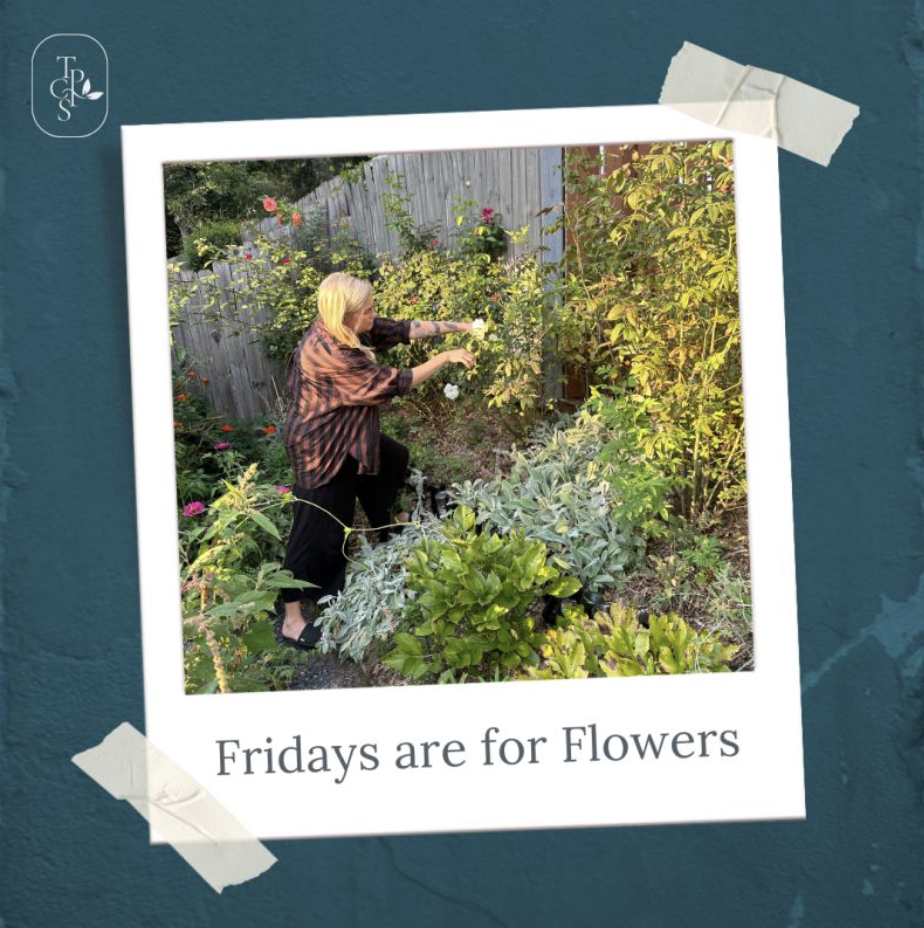
Flowers can’t thrive without healthy soil. Neither can organizations.
I started my career in business operations and have worked as an EA, office manager, bookkeeper, events coordinator, and HRBP — both in those roles and leading those teams.
These roles are unique in a company. You find yourself caring deeply about the snacks in the office and how they inspire productivity, how contracts can reflect company values, how the workplace environment fuels success, and yes — even how toilet paper choices impact employee happiness.
Throughout my career, I’ve met leaders who lean into those conversations, and others who dismiss them: “It’s just toilet paper” or “Why does it cost this much to run an offsite?” Those moments left a lasting impression on how I view leadership.
But it didn’t start at work.
My attention to the small details that feed the life of a system started in the garden. To grow flowers, you can’t just care about the plant above ground — you have to nurture the soil, the microbes, and the environment at large.
Recently, I watched an interview with Robin Wall Kimmerer where she said, “How are we going to fall in love with the world if we don’t pick berries? That’s the gateway — or picking a bouquet of flowers.”
In work, I’d ask CEOs: how are you going to inspire a vision if you don’t care about the toilet paper, or the employee benefits, or the payroll systems?
I don’t want CEOs buried in the details, but I do want them to value the foundational roles and systems that give life to their organizations.
The same way we learn to love the world by picking berries or gathering flowers, leaders can learn to love their organizations by engaging with the systems and people that keep them thriving.
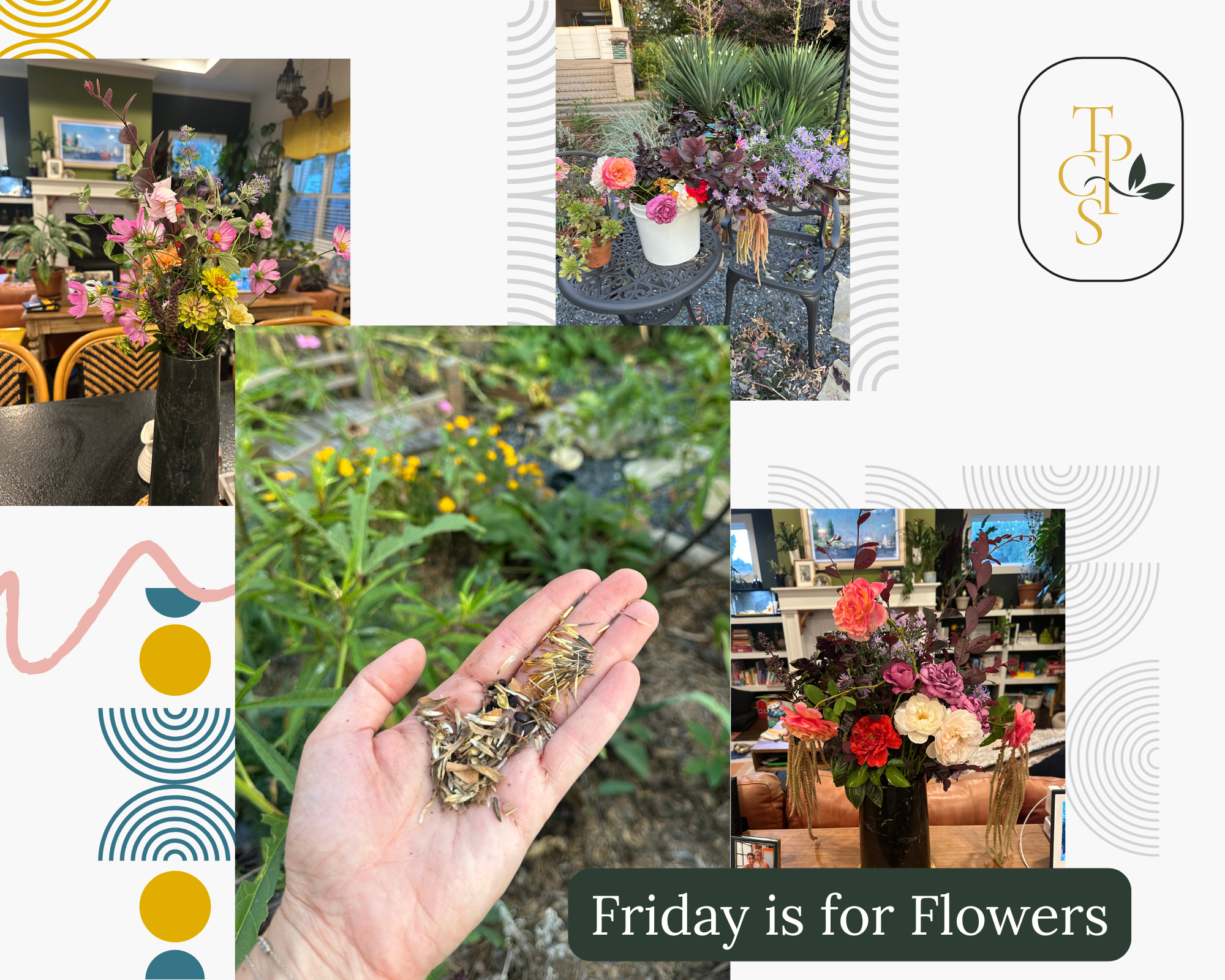
Nurture the Seeds
Anyone can celebrate a bloom. Few patiently nurture the seeds.
An inexperienced gardener thinks the bloom is the prize. An experienced gardener waits for the bloom to fade and treasures the seeds—the promise of tomorrow.
Leadership works the same way. New leaders often chase short-term wins and shiny KPIs. Seasoned leaders celebrate the wins but focus most on the systems and strategies that create sustainable success.
What seeds are you planting today that will shape your team’s future?
Fall
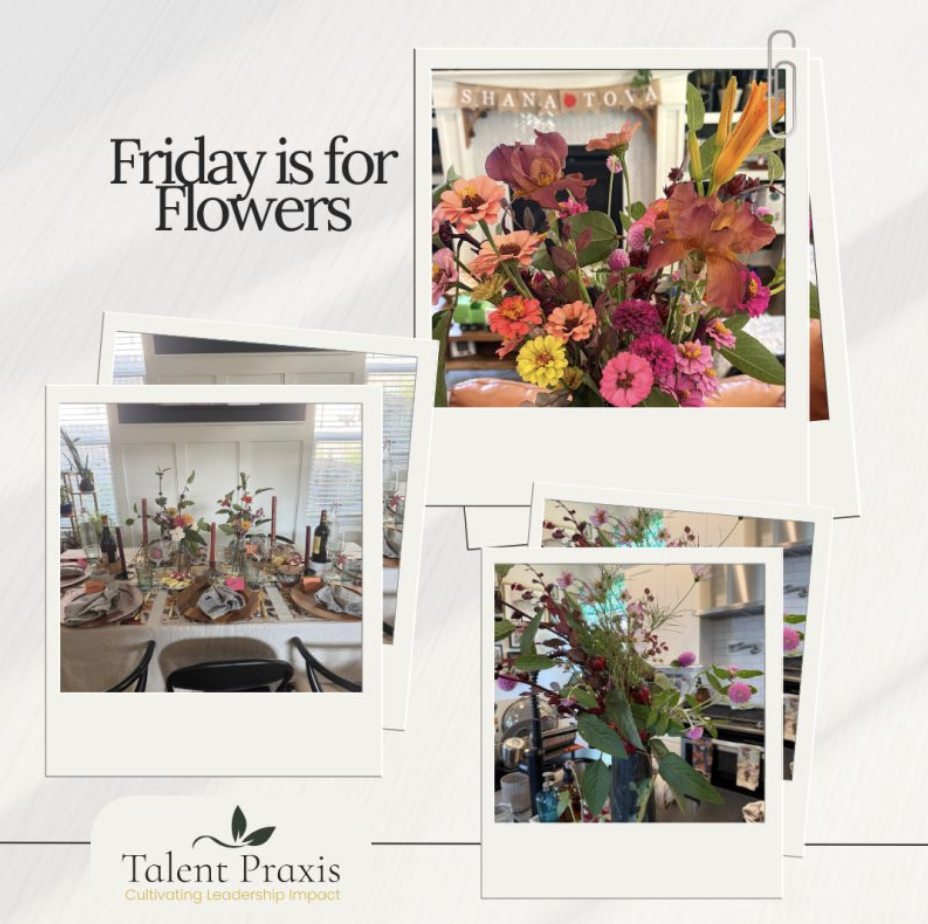
Constraints Create Creativity
My favorite part of building a bouquet from my own garden is that Mother Nature forces me to be creative with what’s in bloom.
For my holiday table, I was inspired by the vibrant roselle hibiscus, which to me resembles a pomegranate. I started with a vision, then foraged in my yard to bring it to life — a process that reminds me of conversations I often have with leaders in coaching.
Many leaders want to hire, purchase new software, or request funding, and feel frustrated when asked to justify their request. As a former HR leader, I know why justification matters: too often, organizations have overextended, laid people off, and broken the promise of stability.
As a founder and a gardener, I also know the beauty of what imagination can create when resources are limited — and how quickly that beauty can fade when there’s too much abundance. A store-bought bouquet always looks dull compared to a local arrangement. In the same way, results are often sharper when built with a bootstrapped team using shared docs and spreadsheets, rather than unlimited resources.
Asking for justification is really an attempt to simulate the ingenuity and creative strategy that naturally emerges under constraints.
As we enter the new year, consider where you might build a more holistic and innovative strategy to reach your goals — before asking for more headcount, funding, or resources. Sometimes, when you look around, you’ll find the exact blooms you were searching for.

Fall flowers are some of my favorites.
Just when the garden starts to fade, the mums and goldenrod arrive—bright, steady, unapologetically bold.
They don’t mark an ending. They signal a shift. A new season, a new rhythm, a new kind of beauty.
In leadership, the same is true. The signals for change aren’t always warnings—they’re often invitations.
A fresh idea is gaining traction. A team ready to stretch into something bigger. A new strength is starting to emerge.
The question is: What signals tell you something new is ready to bloom?
Because like the flowers that wait for fall, the best leaders recognize that change doesn’t mean decline—it means the next season of growth has arrived.
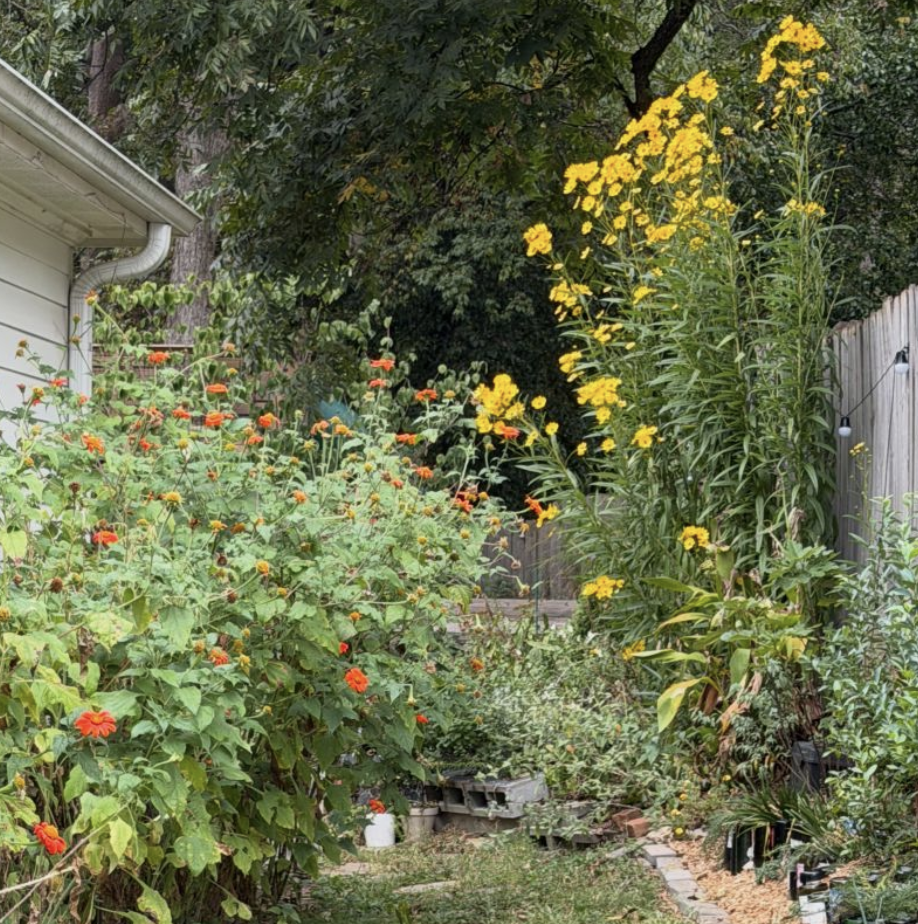
Find the Sliver of Beauty
There’s a pretty sliver of the garden that’s completely covered in blooms in fall — a pocket of color and energy that feels alive even as the rest begins to fade. It’s a reminder that in any season, there are always corners where growth and beauty are still in full swing.
As leaders, it’s easy to stay focused on what needs fixing or pruning. But fulfillment often comes from noticing and nurturing the parts of our work — and ourselves — that are already thriving.
Where in your leadership (or your life) is that small, blooming patch calling for more of your attention?

Planting for the Ecosystem
I love the flowers — of course I do. But for me, it’s more than that.
I plant for the pollinators — for the monarchs that pass through, for the bees that spread the pollen, for the small ecosystem that thrives when everything works together. The blooms are beautiful, but they’re also a byproduct of something bigger.
Leadership works the same way.
It’s not just about the visible results — the “flowers.” It’s about what you plant, nurture, and sustain beneath the surface.
What are you planting as a leader — in your team, your company, and your community — and how might it shape the broader ecosystem around you?

The Beauty of Patience
My favorite gardening metaphor—one I can apply to nearly everything in life—is the beauty of patience.
Last fall, I admired gardeners whose late-season bouquets overflowed with large, colorful mums. I didn’t have any of my own. So in the fall, I placed a pre-order and waited. A year later, I’m standing in a garden filled with their first full blooms.
To have the longest season of cut flowers requires planning, imagination, and creativity. My garden is thriving now, but it’s five years in the making. Every season has been an investment in the next—each rooted cutting and bare patch a quiet reminder that growth takes time.
Leadership is no different. The most impactful leaders plant with foresight and tend with care. They don’t rush outcomes; they nurture environments where potential can take root.
Patience doesn’t mean inaction—it means trusting that steady, intentional work will yield a lasting bloom.
Where in your leadership are you being invited to slow down—to plant something now that may not bloom until next season?
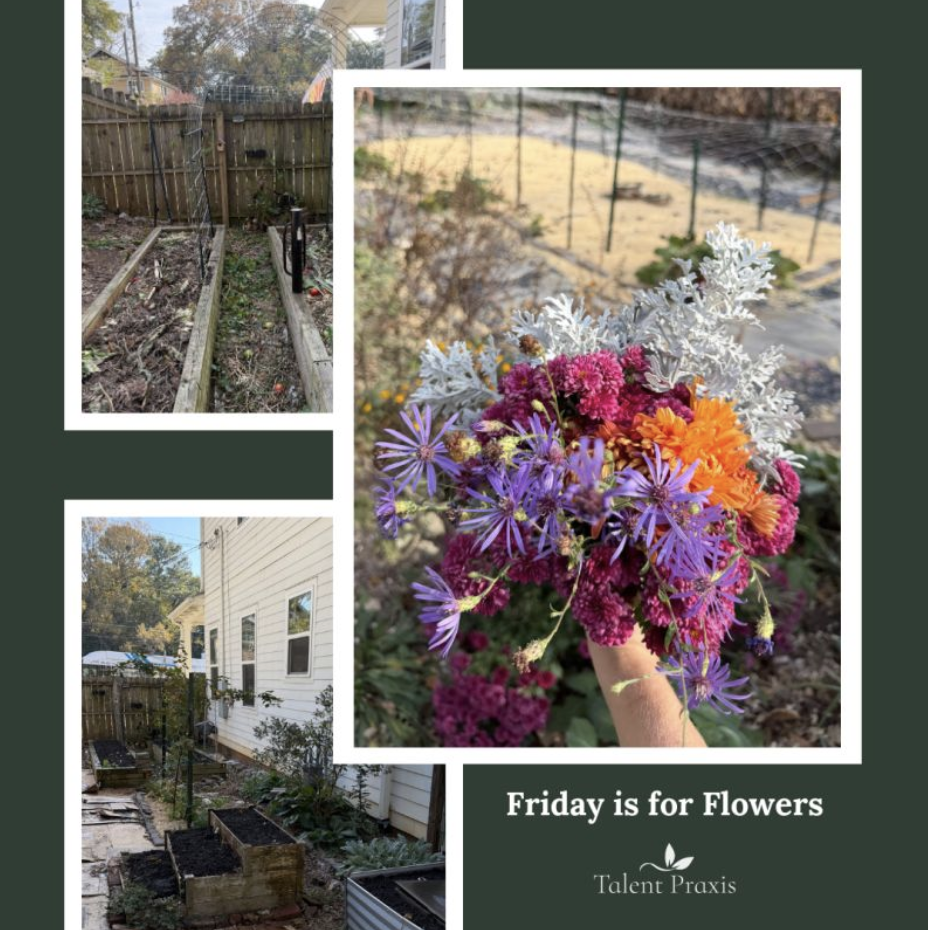
It Took Longer then Expected
As I sit looking at the box of bulbs I still haven’t planted this season, I’m reminded of something a fellow business owner said to me recently:
“They’ll write it on my gravestone — it took longer than I thought.”
In both leadership and gardening, that line hits home.
Every fall, I think I’ll have all my bulbs in the ground before Thanksgiving. And every year — here I am, with much done but more still waiting.
It took longer than I thought.
This year, it wasn’t just the weather. The economy shifted. A few strategies didn’t play out as planned at work. And I caught myself wondering — maybe I just need to give some things more time. Maybe I didn’t give the experiments enough space to grow.
It took longer than I thought.
When was the last time you looked at a goal — in leadership, business, or life — and thought, “This is taking longer than I expected”?
Maybe the timing is off. Maybe the growth is just happening underground.
Winter
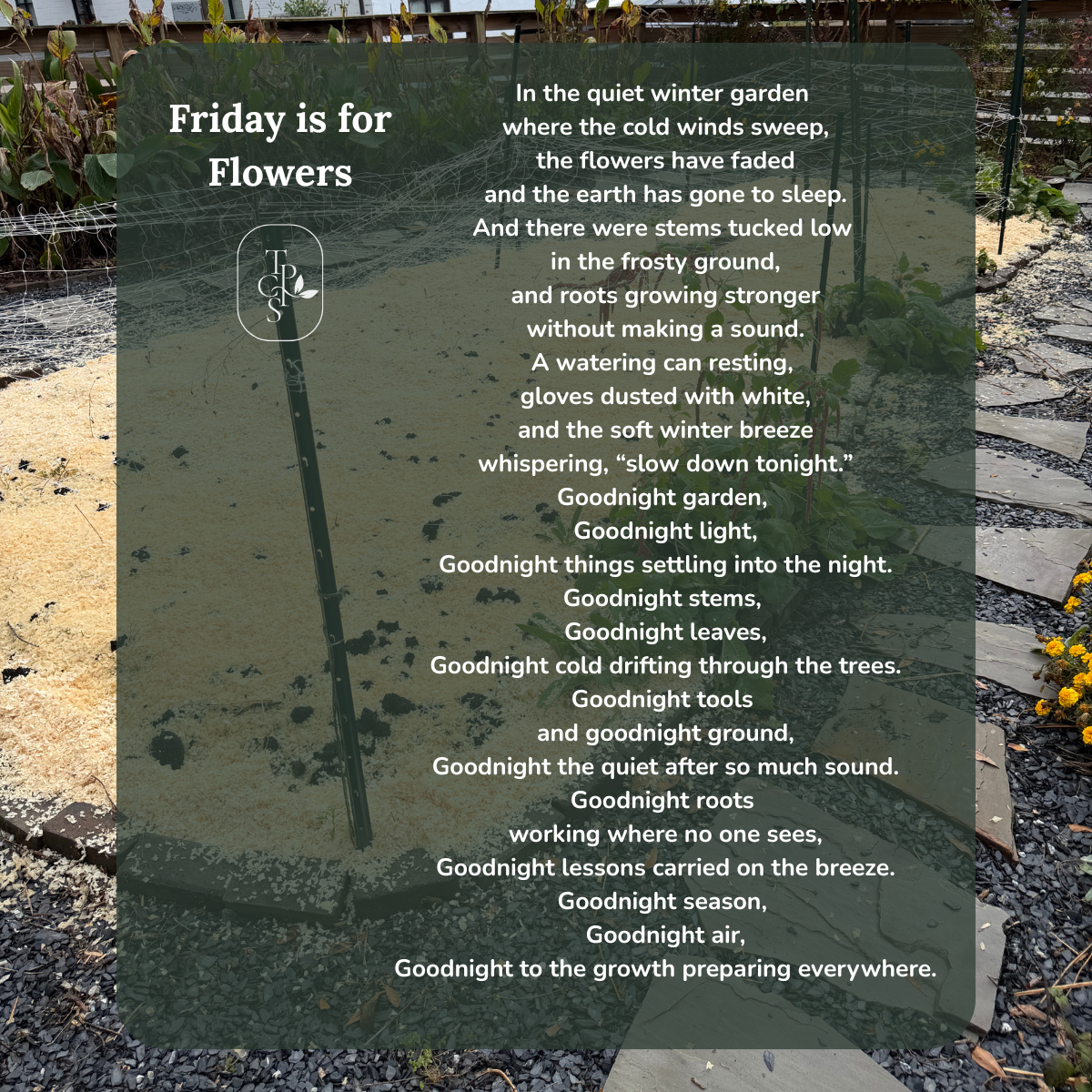
The Invisible Growth
Winter in the garden is a reminder that not all growth looks visible.
Some seasons ask us to quiet down, pull back, and strengthen the roots beneath our work.
As leaders, this is often where the real development happens— in the pauses, the resets, the honest inventory of what needs to rest so something stronger can emerge in the spring.
If you’re entering a winter season of your own team or organization, remember: slowing is not losing momentum.
It’s preparing the ground for clarity, alignment, and the next cycle of growth. Sometimes the most important leadership work is the work no one sees.
Good night garden, goodnight flowers- happy winter season!
About Talent Praxis
Cultivating Leadership Impact
Our work at Talent Praxis focuses on helping senior leaders identify the strategic behaviors that drive success, so they can lead with greater confidence, clarity, and impact. We partner with organizations to design custom leadership development programs that integrate executive coaching, assessments, and training, delivering measurable results and elevating leadership effectiveness.
Why custom leadership development programs?
Leaders define the direction and culture of an organization. Leadership development programs result in:
Increased Productivity and Performance
Higher Employee Engagement and Retention
Improved Financial Performance
As your company and market evolve, so must your leadership. Our custom leadership development programs are designed to meet your organization’s unique needs, empowering leaders with the skills to drive engagement, foster success, and deliver measurable results.