Welcome to Monthly Best Praxis, Talent Praxis's newsletter dedicated to sharing actionable insights and proven strategies for leadership development. Each month, we dive into key topics and competencies that help leaders drive performance, align teams, and create lasting impact. In this issue, we explore how adapting your approach to the situation is essential for effective leadership.
Adapts Approach to the Situation is the competency of adjusting management behaviors, communication, and support based on the needs of the individual, team, and work context to achieve effective execution and results.
Management is not one-size-fits-all. Different situations require different approaches depending on the complexity of the work, the experience and motivation of team members, timelines, priorities, and organizational demands. The most effective leaders assess the situation intentionally and adapt how they delegate, coach, provide direction, solve problems, and support accountability.
Execution and coordination happen through people, processes, and resources. Because of this, a leader’s ability to adapt directly impacts team performance, engagement, efficiency, and responsiveness to change. Leaders who apply the same approach in every situation often create unnecessary friction, confusion, or disengagement.
Effective management requires awareness and intentionality. When leaders adjust their behaviors to fit the needs of the situation while maintaining clear expectations and accountability, they create environments where people can perform effectively, develop confidence, and achieve results together.
Achieving Success Through a Combination of Skills, Attributes, and Experience
Adapts Approach to the Situation- Adjusts actions based on the needs, skills, and motivations of team members and the work context to best support and achieve results.
Below are examples of skills, attributes, and experiences that support the potential for the competency. Infinite combinations of strengths in various skills, attributes, and experiences can generate success in this competency.
Examples of skills supporting:
Emotional Intelligence – Recognizing and understanding team members’ emotional needs to adjust communication and support appropriately.
Problem-Solving – Assessing situations and adjusting strategies or tactics to resolve challenges effectively while maintaining motivation and progress.
Active Listening – Listening attentively to understand concerns, motivations, and barriers before determining the best approach.
Examples of attributes supporting:
Flexible – Willing to change tactics or priorities in response to changing team dynamics or business needs.
Empathetic – Understands and considers the unique strengths, motivations, and challenges of team members.
Resilient – Maintains adaptability and focus during setbacks, uncertainty, or changing priorities.
Examples of experience supporting:
Leading Diverse Teams – Experience leading individuals with different communication styles, skills, motivations, and development needs.
Managing Change – Experience supporting teams through evolving priorities, organizational changes, or ambiguity.
Project Management in Dynamic Environments – Managing projects where priorities or challenges shift frequently and leadership approaches must adapt quickly.

A self-assessment worksheet for leaders to reflect on how effectively they lead by example, using a scale from "Never" to "Always."
Practical Steps for Leaders to Develop This Competency
Assess the situation before reacting. Consider the individual’s capability, motivation, workload, and the urgency of the work.
Ask more questions before providing direction. Understanding concerns or barriers often improves outcomes faster than immediately prescribing solutions.
Adapt communication styles intentionally. Some team members need direct clarity, while others benefit from collaboration or coaching discussions.
Adjust support levels based on experience and confidence. High-performing team members may need autonomy, while others may require more structure and guidance.
Reflect after key conversations or projects. Identify what leadership approach worked well and what could be adjusted in the future.
Common Challenges and How to Overcome Them
Relying on one default approach
Leaders often use the same communication or leadership approach regardless of the individual or situation.
Overcome it: Pause before important interactions and assess the person’s capability, motivation, and desired level of support before deciding how to respond.
—-
Confusing consistency with rigidity
Some leaders believe adapting their approach means being inconsistent or unfair.
Overcome it: Maintain consistent expectations and accountability while adjusting communication, coaching, and support methods to help individuals succeed.
—-
Reacting from experience instead of responding intentionally
Pressure, stress, or time constraints can lead leaders to default to habit instead of strategic adaptation.
Overcome it: Build reflection habits into leadership routines. Preparing intentionally before difficult conversations improves outcomes significantly.
—-
Over-supporting or under-supporting team members
Leaders may micromanage capable team members or provide too little guidance to developing individuals.
Overcome it: Regularly assess readiness levels and revisit how much autonomy, direction, and accountability each team member needs.
Connecting to Other Leadership Competencies
Adapting approach to the situation strengthens several other leadership and management competencies. It supports Delivers and Receives Impactful Feedback by helping leaders tailor communication for better understanding and action. It also reinforces Delegates Effectively and Develops and Coaches Others because leaders must adjust autonomy, guidance, and coaching strategies based on individual readiness, motivation, and capability.
Apply Your Learnings
Identify one team member whose needs or communication style differs from your own.
Adjust your next conversation intentionally based on their experience, motivation, or preferences.
Before delegating work, assess the appropriate level of support and autonomy required.
Reflect after challenging conversations and identify what leadership adjustments improved or limited results.
Ask one trusted colleague or team member for feedback on your adaptability as a leader.
Explore More
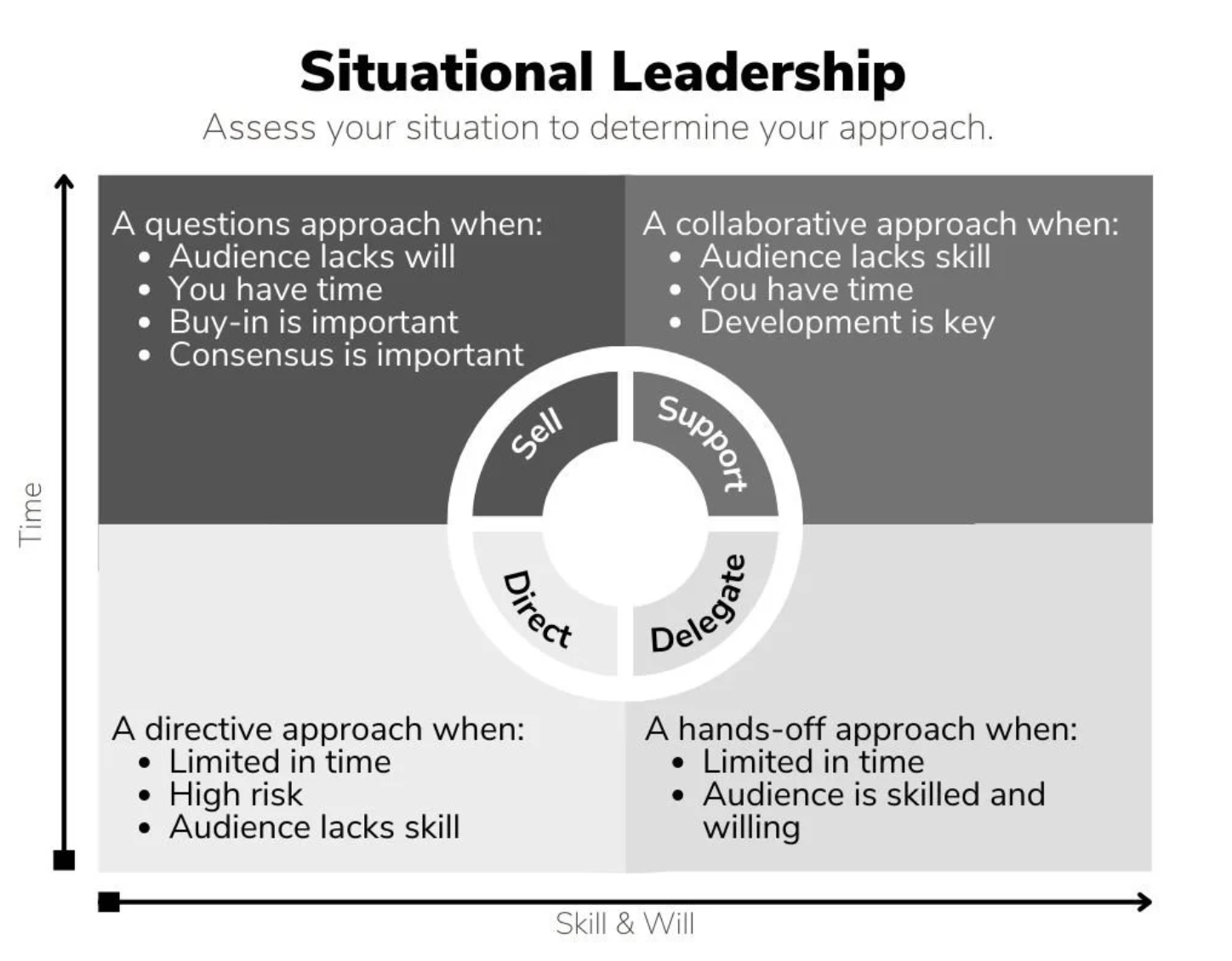
A practical framework for adjusting leadership style based on individual readiness and context.
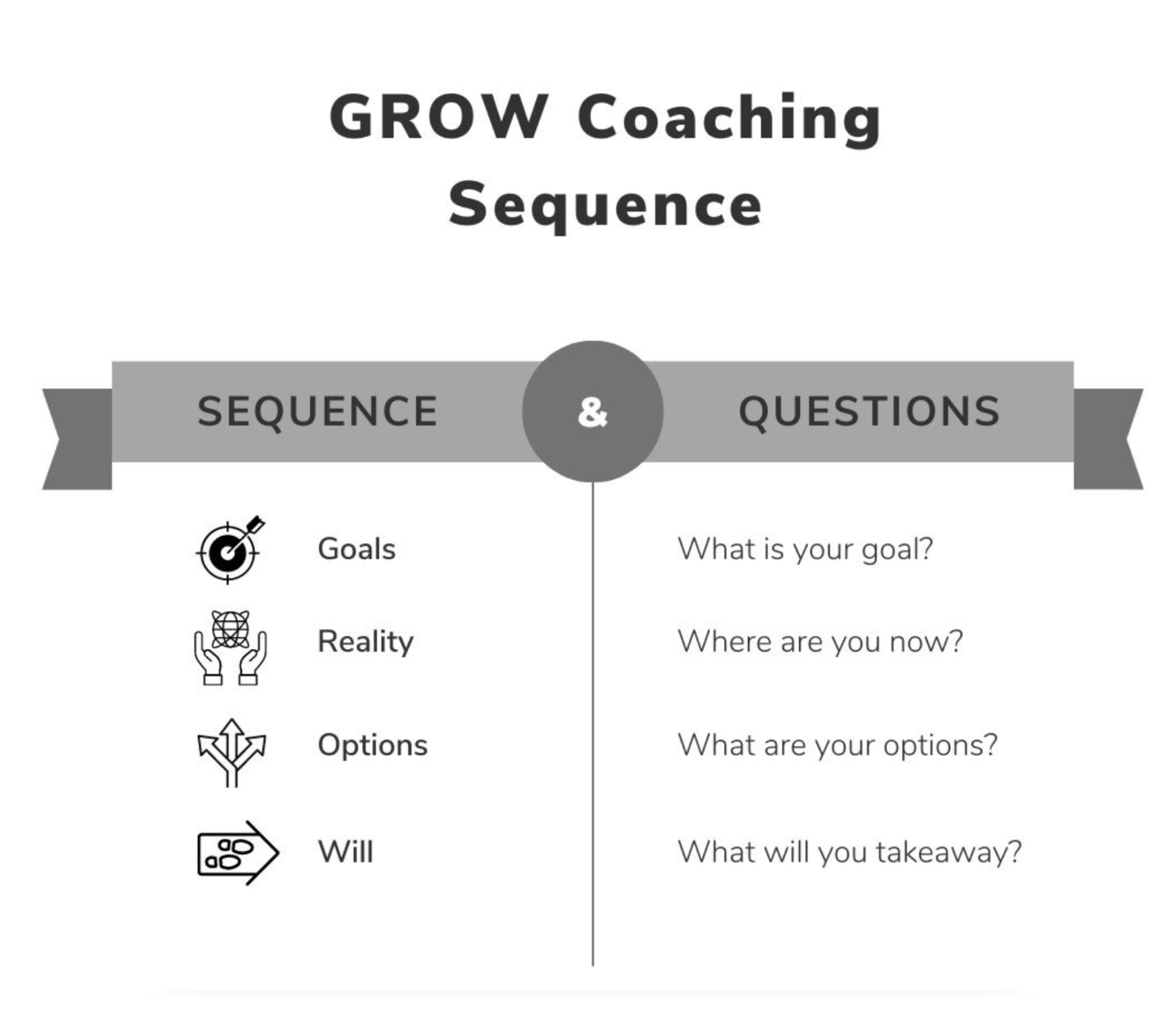
Strategies for balancing support, accountability, and development conversations.
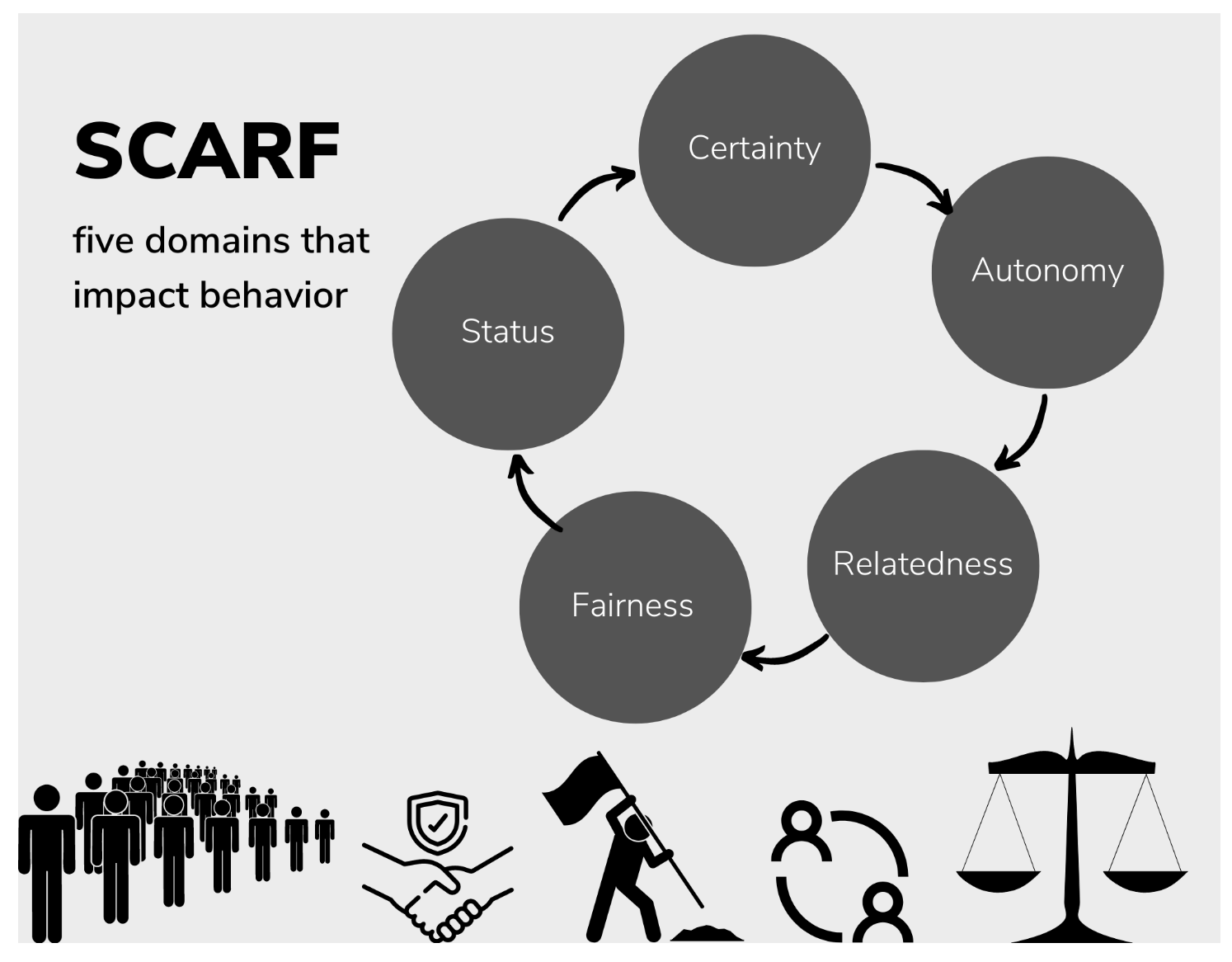
A framework for understanding motivation, engagement, and reactions to change.
Build Leadership Capability Across Your Organization
If you’re looking to go beyond individual competencies and build a consistent, scalable approach to leadership, explore our Leadership Capability Series. This program helps organizations define, develop, and embed the leadership behaviors that drive performance, alignment, and long-term success.
Leadership Capability Series
A structured approach to building leadership competencies across your organization—linking strategy, development, and execution.
About Talent Praxis
Cultivating Leadership Impact
Our work at Talent Praxis focuses on helping senior leaders identify the strategic behaviors that drive success, so they can lead with greater confidence, clarity, and impact. We partner with organizations to design custom leadership development programs that integrate executive coaching, assessments, and training, delivering measurable results and elevating leadership effectiveness.
Why custom leadership development programs?
Leaders define the direction and culture of an organization. Leadership development programs result in:
Increased Productivity and Performance
Higher Employee Engagement and Retention
Improved Financial Performance
As your company and market evolve, so must your leadership. Our custom leadership development programs are designed to meet your organization’s unique needs, empowering leaders with the skills to drive engagement, foster success, and deliver measurable results.