

Stop the Guesswork: Defining Leadership for Your Organization
A practical framework HR leaders can use to clarify leadership expectations and apply them consistently
Why This Matters
Leadership competencies are more than HR artifacts. They show up in everyday choices:
Who gets hired
Who gets promoted
Who succeeds — and how they succeed
Yet in many organizations, competency models sit on the sidelines. They’re well-written, thoughtfully designed, and rarely used.
That’s often because they’re:
Built as hypothetical ideals rather than observed behaviors
Rolled out as final frameworks instead of tools to refine
Disconnected from how leaders actually lead day to day
Stop the Guesswork reframes leadership competencies as observable, practical behaviors that support development, coaching, and performance decisions — not just documentation.
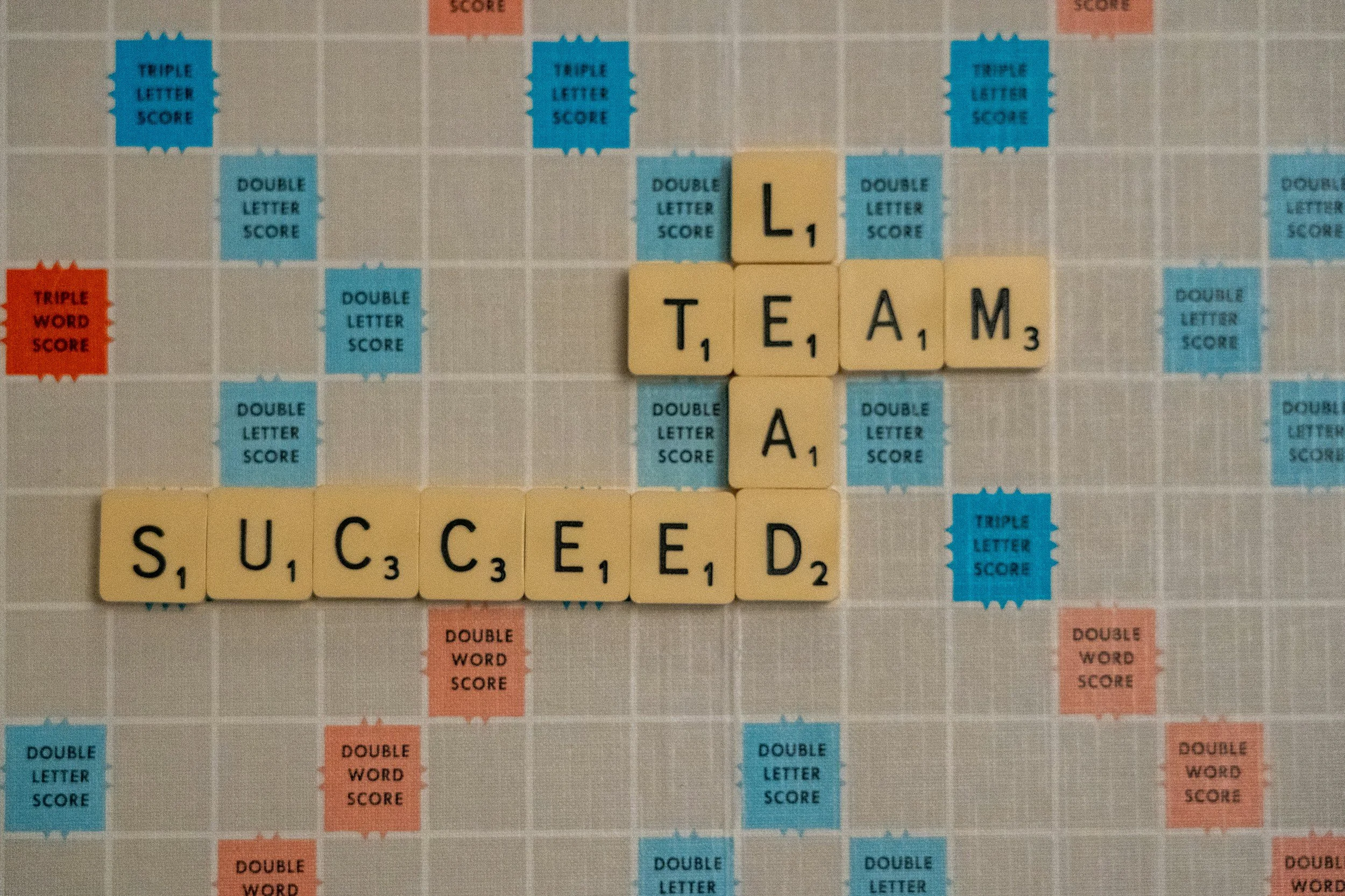

Building Sustainable Leadership Clarity
When leadership expectations aren’t clearly defined, HR is often pulled into individual situations—helping leaders interpret promotion decisions, recalibrate performance feedback, or explain why someone succeeded while another didn’t.
Most organizations already have leadership behaviors in practice. The opportunity isn’t inventing new ones—it’s making them explicit, observable, and shared.
Sustainable leadership clarity develops when:
Leadership is defined as behavior, not personality or intent
Competencies are grounded in what leaders actually do
Expectations are reinforced through real conversations and decisions
In a free consultation, we’ll share practical lessons from years of working with leadership teams—along with clear ways to apply this approach in your organization.
Explore the Competency Framework
A behavior-based approach HR leaders use to define and apply leadership competencies
The Free Guide
A concise guide to defining leadership and management, distinguishing competencies from skills and attributes, validating them with SMART, and applying them in daily leadership work.
Session Recording
A walkthrough of why leadership competencies often stall, how to define them as observable behaviors, and how HR leaders can coach managers to use competencies in real leadership conversations.
These resources introduce the approach. Applying it effectively often benefits from shared context and conversation.
If you’re looking to continue strengthening feedback capability across your organization, you may also be interested in upcoming sessions and events.